
Commercial Fence Planning in Newark, WI: Security, Gates & Property Access
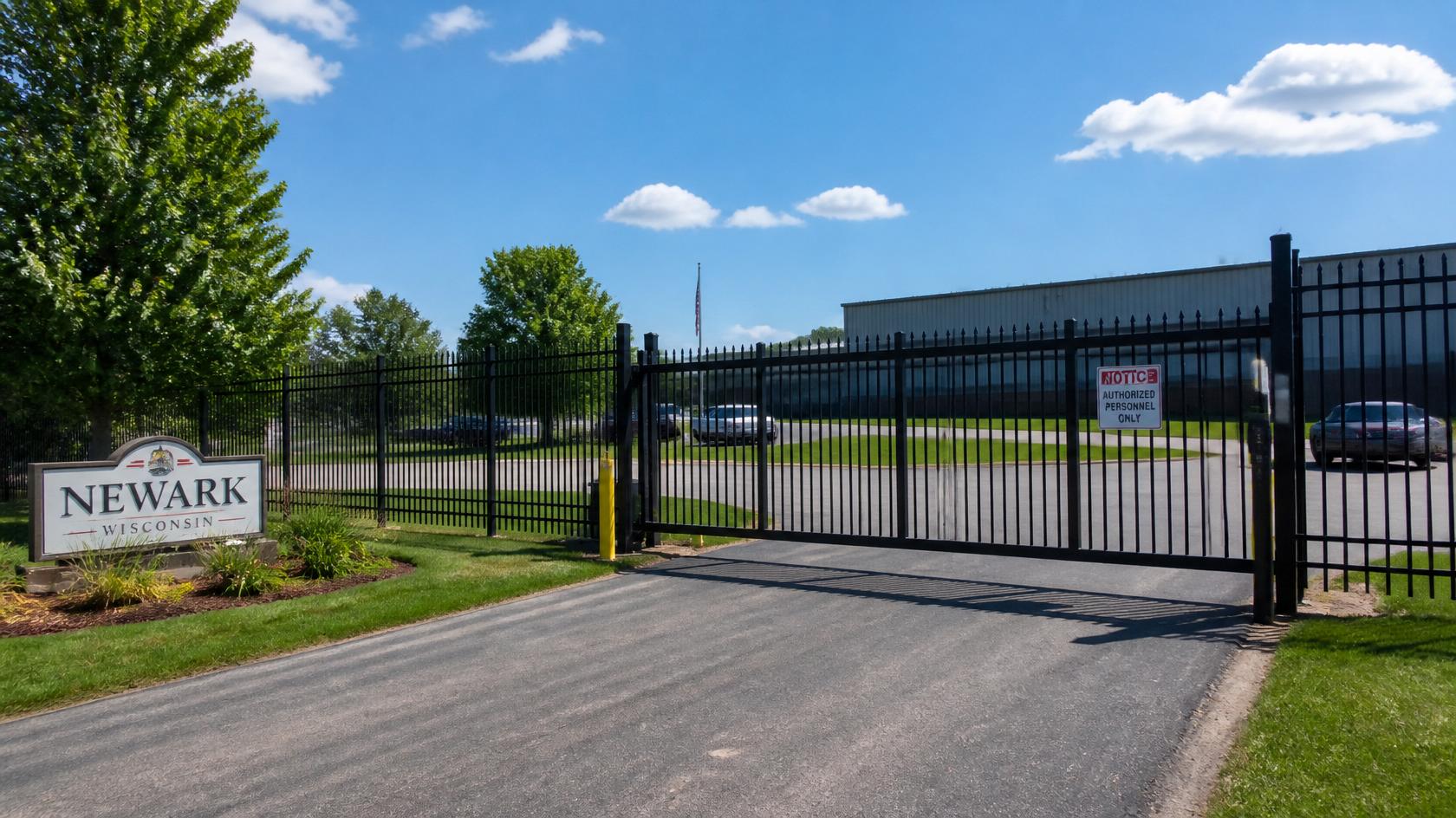
Commercial fence planning in Newark, WI should focus on security, gates, property access, layout, materials, permits, and long-term durability. A well-planned commercial fence can help protect equipment, organize outdoor areas, manage vehicle entry, and support daily business use.
Why Commercial Fence Planning Matters in Newark, WI
A commercial fence is more than a line around a property. It can help protect business assets, control access, organize outdoor areas, screen service spaces, and make daily operations easier to manage.
For commercial property owners in Newark, WI, fence planning should begin before installation is scheduled. Rural and commercial properties may have different access needs than smaller residential lots. Businesses may need to account for equipment, trailers, delivery vehicles, employee access, service areas, storage zones, and gates wide enough for regular use.
The best commercial fence should improve security without making the property harder to use. That means planning the layout, gates, material, access points, and maintenance needs from the beginning.
Start with the Main Security Goal
Before choosing a fence material or gate type, business owners should define what the fence needs to protect. Commercial security needs can vary depending on how the property is used.
A commercial fence may help secure:
Equipment yards
Outdoor storage areas
Company vehicles
Utility spaces
Employee-only areas
Dumpster enclosures
Service entrances
Parking areas
Construction zones
Restricted or after-hours access points
A business that stores tools, trailers, materials, or vehicles outside may need a stronger security layout than a property that mainly needs screening or boundary definition. Starting with the main goal helps determine fence height, material, gate placement, locks, and access control options.
Plan the Property Access Points
Access planning is one of the most important parts of commercial fencing. A fence should control entry without blocking the normal movement of vehicles, employees, vendors, or service providers.
Before installation, business owners should review:
Where vehicles enter and exit
Where employees park or enter
How deliveries are handled
Whether trucks or trailers need access
Where equipment is moved
Whether loading areas need to stay open
How service vehicles reach the property
Whether emergency access is practical
If a fence is placed without considering access, it can create daily problems. Gates may be too narrow, traffic may back up near entrances, or service vehicles may not be able to reach the right area.
A good commercial fence layout should support how the property works every day.
Gate Planning for Commercial Use
Gates are often the most important part of a commercial fence system. A fence may be durable, but if the gate is poorly planned, the property can still be difficult to secure and use.
Commercial gates may need to support:
Employee access
Deliveries
Service vehicles
Equipment movement
Dumpster pickup
Customer or tenant access
Restricted areas
Emergency access
Gate width should be based on real use. A gate that works for a pickup truck may not work for trailers, delivery vehicles, equipment, or maintenance vehicles. Gate swing direction, slide space, latch type, lock needs, ground slope, and snow clearance should all be reviewed before installation.
Manual Gates vs. Access Control
Some commercial properties only need a manual gate with a strong lock. Others may need access control to manage who can enter and when.
Manual gates may work well for lower-traffic areas, storage spaces, equipment zones, or service areas that are accessed by a small number of people.
Access control may be useful for properties with regular employee, vendor, tenant, delivery, or after-hours access needs. Options may include:
Keypad entry
Card reader access
Remote access
Intercom systems
Lockable commercial gates
Controlled vehicle gates
Coordination with existing security systems
Access control should be planned early so the fence, gate, hardware, power source, and traffic flow work together. Adding access control later may be possible, but it is usually easier to plan for it during the original fence project.
Chain Link Fencing for Commercial Security
Chain link fencing is one of the most practical commercial fence options. It is durable, visible, and useful for larger areas where security and cost control matter.
Chain link may be used for:
Storage yards
Equipment areas
Business perimeters
Utility spaces
Construction areas
Parking lot boundaries
Service zones
Temporary or permanent security fencing
Chain link does not provide full privacy by itself, but privacy slats can be added when screening is needed. It can also be paired with locks, gates, and access control for stronger entry management.
For many Newark-area commercial properties, chain link offers a practical balance of security, visibility, durability, and budget control.
Wood and Vinyl Fencing for Screening
Wood and vinyl fencing may be useful when screening or appearance matters. These materials are often used around dumpster enclosures, service areas, patios, customer-facing spaces, managed properties, and parts of a commercial site that need a cleaner look.
Wood provides strong screening and a traditional appearance, but it requires maintenance. Rain, snow, ice, humidity, sun exposure, and freeze-thaw cycles can affect boards, posts, and rails over time.
Vinyl provides a clean appearance with lower routine maintenance than wood. It does not need painting or staining, but solid panels can catch wind, especially in open or rural areas. Proper post installation, drainage planning, and gate placement are important.
Aluminum and Ornamental Fencing
Aluminum and ornamental fencing are often used when appearance, visibility, and boundary definition matter. These fences are common around office properties, entrances, walkways, public-facing commercial spaces, managed properties, and areas where curb appeal matters.
They do not provide full privacy, but they create a polished boundary while keeping the property open and visible. This can be useful for businesses that want a professional appearance without fully closing off the property.
Storage Area Planning
Many commercial fence projects are designed around storage. Outdoor storage may include tools, trailers, equipment, inventory, vehicles, materials, or maintenance supplies.
Storage area planning should consider:
Size of the storage area
Type of materials being stored
Vehicle or equipment access
Gate width
Visibility from public areas
Lighting near the storage zone
Drainage around stored items
After-hours security needs
Snow and ice clearance
Some businesses prefer visibility because it allows stored areas to be monitored more easily. Others prefer screening to keep materials out of public view. The best option depends on the business, property layout, and security needs.
Dumpster Enclosures and Service Areas
Dumpster enclosures are another common commercial fencing need. A well-planned enclosure can screen waste areas, improve appearance, control access, and keep service spaces more organized.
Dumpster enclosure planning should include:
Dumpster size
Pickup truck access
Gate width
Truck clearance
Employee access
Service vehicle movement
Snow and ice clearance
Visibility from public areas
A dumpster enclosure should look clean while still allowing efficient pickup. Gates and hardware are especially important because these areas are used often.
Property Lines and Site Planning
Commercial fence planning in Newark should include property line review and site planning before work begins. A fence should be placed correctly and should not create problems with neighbors, roads, driveways, easements, utilities, drainage areas, or shared access routes.
Property owners should not assume that an old fence, tree line, field edge, driveway edge, gravel area, or mowed path marks the true property boundary. If property lines are unclear, reviewing a survey or having the property marked can help prevent disputes and layout changes.
A helpful site plan may show:
Fence location
Property lines
Buildings
Driveways
Parking areas
Gates
Storage zones
Dumpster areas
Easements or utility areas
Access points
Good site planning helps make the estimate more accurate and reduces the chance of changes after work begins.
Permit and Local Requirement Planning
Before installing a commercial fence in Newark, property owners should confirm current permit and local requirements with the appropriate local office. Commercial fence projects may involve fence location, height, material, gates, access points, site drawings, driveway access, and other property-specific details.
Permit planning is especially important for:
New fence installation
Fence replacement
Commercial security fencing
Storage yard fencing
Dumpster enclosures
Gates and access control
Projects near roads, driveways, or shared access areas
Long fence lines on larger properties
Checking requirements early is easier than changing the fence layout after materials are ordered or installation has started.
Wisconsin Weather and Long-Term Durability
Commercial fences in Newark need to handle Wisconsin weather. Wind, rain, snow, ice, storm damage, freeze-thaw cycles, and seasonal wear can affect posts, panels, rails, gates, hinges, and latches.
Open commercial or rural properties may experience stronger wind exposure than smaller neighborhood lots. Snow and ice can build up near gates. Rain can soften soil around posts. Freeze-thaw cycles can affect alignment over time.
A durable commercial fence should include proper post installation, strong gate hardware, drainage awareness, and enough clearance around gates and traffic areas.
Maintenance Planning for Commercial Fences
Commercial fences should be inspected regularly because they support security, access, and property appearance. Small issues can become larger problems if they affect gates, locks, or fence stability.
Maintenance may include checking:
Gate alignment
Hinges and latches
Locks and hardware
Chain link tension
Rails and posts
Wood boards or panels
Vinyl panel damage
Storm or impact damage
Snow or ice buildup near gates
Regular maintenance helps keep the fence working properly and reduces unexpected security or access problems.
Cost Factors for Commercial Fence Planning
Commercial fence cost depends on the project details. Material matters, but layout, gates, access control, storage needs, and site conditions can also affect the estimate.
Common cost factors include:
Fence material
Total linear footage
Fence height
Number of gates
Gate width and hardware
Locks or access control
Old fence removal
Site conditions
Storage area size
Dumpster enclosure needs
Security level
Permit or planning requirements
The most accurate estimate comes from reviewing the property, business operations, security goals, and layout before installation begins.
Contact Dach Fence for Commercial Fence Planning in Newark, WI
Commercial fence planning in Newark, WI should focus on security, gates, property access, materials, permits, storage needs, traffic flow, weather, and maintenance. Whether your property needs chain link fencing, wood fencing, vinyl fencing, aluminum or ornamental fencing, temporary fencing, dumpster enclosures, gates, access control, fence repair, or fence replacement, the right plan can help protect your property and support daily operations.
Dach Fence helps business owners, property managers, and commercial property owners choose practical fencing solutions built for real use and Wisconsin weather.
For commercial fence planning and installation in Newark, WI, contact Dach Fence today for a free estimate. Visit dachfence.net to get started.
