
Commercial Fence Cost in Delavan, WI: What Affects a Late-Season Project?
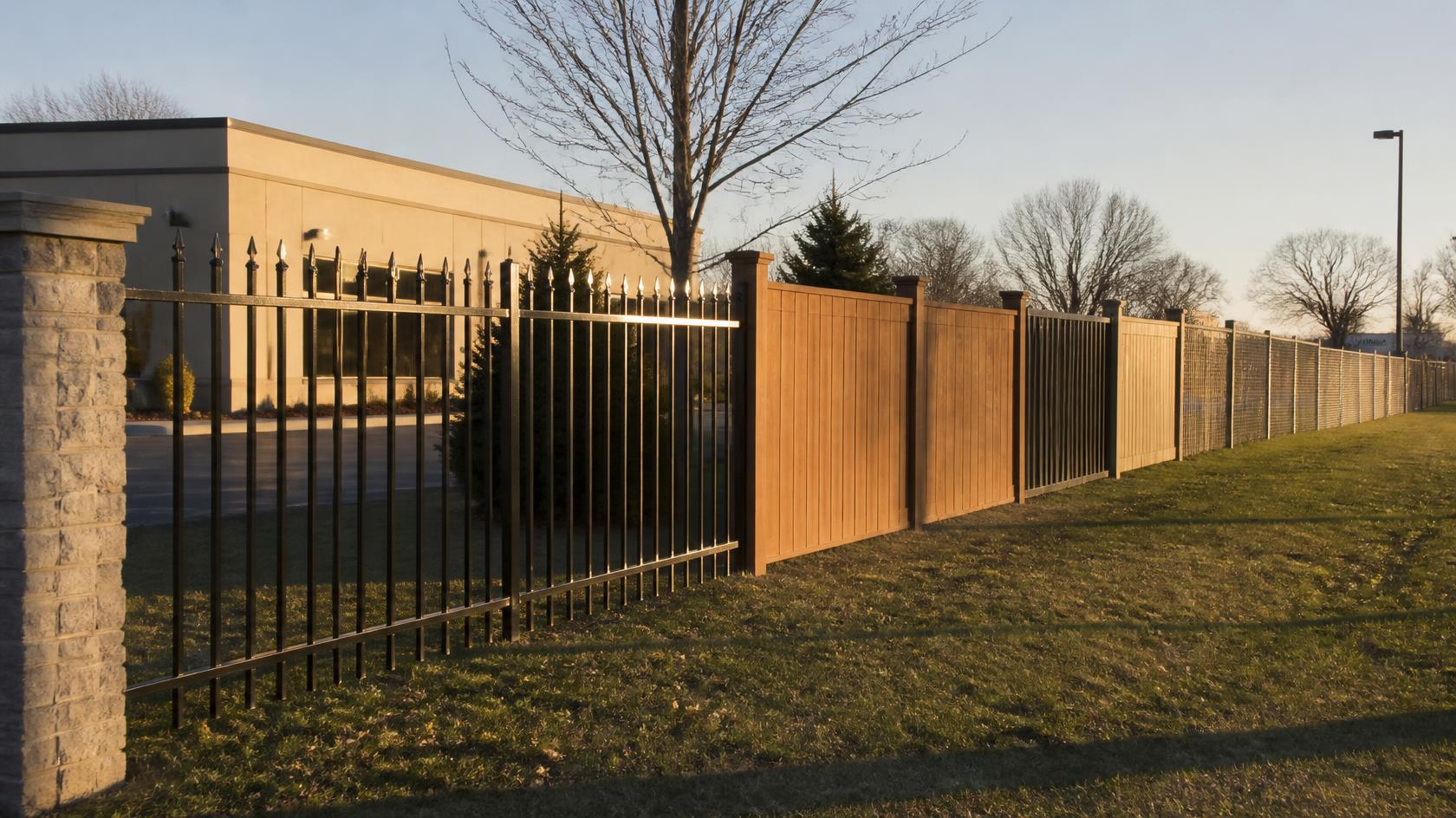
Commercial fence cost in Delavan, WI, depends on more than total footage. Material, gate size, access control, site conditions, removal work, weather, and late-season scheduling can all affect the final project scope and price.
Why Commercial Fence Pricing Varies
Commercial fence projects are rarely priced by length alone.
A short project with multiple gates, difficult access, or heavy site preparation may cost more than a longer, simpler fence line. That is why commercial property owners in Delavan should look at the entire site before comparing estimates.
Late-season projects can add another layer of planning because Wisconsin weather becomes less predictable as fall moves toward winter.
Rain, freezing temperatures, snow, and freeze-thaw cycles may affect site access, ground conditions, and scheduling.
Understanding the main cost factors can help businesses and property managers plan more realistically.
Fence Material Has a Major Impact on Cost
The material selected for a commercial fence is one of the biggest cost factors.
Different materials serve different purposes.
Chain Link Fencing
Chain link is commonly used for commercial properties because it provides perimeter control and visibility while covering large areas efficiently.
It can be a practical choice for:
Storage yards
Equipment areas
Commercial lots
Utility spaces
Service areas
Recreational facilities
Cost can vary based on fence height, wire gauge, coating, gates, and added privacy features.
Privacy slats or screening may increase material and installation costs while also increasing wind resistance.
Wood Fencing
Wood is often used when privacy or screening is more important.
Commercial applications may include dumpster enclosures, outdoor work areas, or sections that need visual separation from neighboring properties.
Cost depends on fence height, wood type, layout, and maintenance expectations.
Because wood can be affected by moisture, snow, and seasonal temperature changes, long-term maintenance should also be considered.
Vinyl Fencing
Vinyl may be selected when a commercial property needs privacy with a clean appearance and relatively low routine maintenance.
Solid panels can provide strong screening, but they also catch more wind than open fencing.
Exposed properties may require additional planning around post support and layout.
Aluminum or Ornamental Fencing
Aluminum and ornamental fencing are often used where appearance matters, such as around office properties, entrances, landscaped areas, or customer-facing sections.
These materials usually provide visibility rather than full privacy.
Decorative styles, height, gate design, and custom features can all affect price.
Fence Height Changes Material and Labor Needs
Taller fencing generally requires more material and may require stronger posts or additional support.
A basic perimeter fence may have different needs than a security-focused fence around equipment or restricted areas.
Commercial property owners should choose height based on the actual purpose of the fence rather than simply selecting the tallest option.
Local requirements may also affect allowable height, especially near streets, corners, or certain property boundaries.
Gates Can Significantly Affect the Project
Gates are one of the most important cost variables in commercial fencing.
A basic pedestrian gate is very different from a wide vehicle gate or controlled-access entrance.
Gate cost may be affected by:
Width
Height
Material
Hardware
Manual or automated operation
Swing or sliding design
Locking system
Access control
Large commercial gates require stronger posts and hardware because they carry more weight and experience more frequent use.
If deliveries, trailers, maintenance vehicles, or heavy equipment need access, gate size should be planned before the estimate is finalized.
Access Control Adds More Components
Some commercial properties need controlled entry rather than a standard manual gate.
Access control may involve keypads, card readers, automated gate operators, or other entry systems.
These systems can increase project cost because fencing, gate design, electrical needs, traffic flow, and equipment must work together.
Winter conditions should also be considered.
Snow and ice can interfere with gate movement, so the installation area needs enough clearance for reliable operation and snow removal.
Site Conditions Affect Installation Cost
Two commercial properties with the same fence length can have very different installation requirements.
Site conditions may include:
Sloped ground
Rocky or difficult soil
Wet areas
Existing pavement
Tree roots
Tight working space
Heavy vegetation
Drainage problems
Utility conflicts
Each of these can affect labor or site preparation.
For example, a fence line across open, level ground is generally more straightforward than one that must work around parking lots, buildings, slopes, or existing landscaping.
Existing Fence Removal May Add Work
If an old fence already exists, removal should be included in project planning.
Removal may involve:
Old posts
Concrete footings
Damaged panels
Chain link fabric
Gates
Hardware
Debris disposal
A commercial fence that has been repaired repeatedly may take more time to remove if sections are bent, rusted, or partially buried.
This can increase labor before the new installation even begins.
Property Layout Can Make a Project More Complex
Straight fence runs are usually simpler than layouts with multiple corners, elevation changes, gates, or enclosed sections.
Commercial sites often need fencing around:
Parking areas
Loading zones
Dumpster enclosures
Storage yards
Utility equipment
Service entrances
Each transition may require additional posts, hardware, and labor.
A clear layout before the project starts helps keep the estimate more accurate.
Late-Season Weather Can Affect Timing
Fall can still be a practical time for commercial fencing in Delavan, but late-season weather needs to be considered.
As winter approaches, the schedule may be affected by:
Heavy rain
Frozen ground
Early snow
Muddy access areas
Shorter daylight hours
Rapid temperature changes
Weather does not automatically mean a project cannot move forward, but flexibility becomes more important.
Starting the planning process earlier gives property owners more time to handle permits, measurements, materials, and site preparation before conditions become more difficult.
Freeze-Thaw Cycles Matter for Posts
Wisconsin freeze-thaw cycles can affect the soil around fence posts.
Water in the ground freezes, expands, and then thaws as temperatures change.
Poor drainage can make these conditions more noticeable.
Before installation, low areas and water collection points should be identified.
Proper planning around post placement and drainage can help improve long-term stability.
Snow Removal Should Be Part of the Design
Commercial fence planning should account for how snow will be removed from the site.
This is especially important near:
Parking lots
Driveways
Loading areas
Gates
Dumpster enclosures
Service roads
If snow is routinely pushed against a fence, the pressure can affect mesh, panels, posts, or gates.
Plows can also accidentally strike fence corners or posts once snow reduces visibility.
Planning snow storage areas before installation can prevent avoidable damage later.
Security Requirements Influence Cost
Some commercial properties need more security than others.
A basic boundary fence may be enough for one business, while another may require taller fencing, stronger gates, restricted access, or additional control around equipment.
Security features can affect:
Fence height
Material
Hardware
Gate design
Access control
Number of entry points
The fence should match the actual risk and property use instead of adding unnecessary features everywhere.
Privacy Can Increase Project Scope
Commercial properties sometimes need screening around dumpsters, equipment, employee areas, or storage.
Privacy fencing or screening usually requires more material than open chain link or ornamental fencing.
It can also increase wind load.
That means privacy sections should be planned carefully, especially on exposed properties.
Some sites may only need privacy in selected areas rather than along the full perimeter.
Permits and Local Requirements Can Affect Planning
Depending on the project, commercial fencing may be subject to permits, setbacks, height limits, visibility rules, or other local requirements.
It is best to review these before materials are ordered.
Late-season scheduling becomes more difficult if a project is delayed because site requirements were not addressed early.
Planning ahead helps reduce that risk.
Labor and Site Access Matter
Installation cost can also be affected by how easily crews can reach the fence line.
Open commercial lots are generally easier to work on than sites with limited access, parked vehicles, active loading areas, or restricted work zones.
Property managers may need to coordinate:
Vehicle movement
Deliveries
Employee access
Equipment placement
Temporary work areas
Good site coordination can reduce delays and keep the project moving efficiently.
Repair Versus Full Replacement
Some commercial properties may not need an entirely new fence.
If the existing system is mostly sound, targeted repairs may be enough.
Repair may be appropriate for:
Damaged fabric
Loose hardware
Bent rails
Gate alignment problems
Isolated post damage
Full replacement may make more sense when damage is widespread, the fence no longer meets current security needs, or repeated repairs are becoming inefficient.
A site evaluation can help determine which option provides better long-term value.
Get a Site-Specific Estimate
Commercial fence pricing is most useful when it reflects the actual property.
Material, fence height, gates, access control, site conditions, removal work, weather exposure, and layout all affect the final project.
For Delavan businesses and property managers, late-season planning should also include snow removal, drainage, frozen ground, and winter access.
Dach Fence provides commercial fence installation, repair, replacement, gates, chain link fencing, wood fencing, vinyl fencing, aluminum or ornamental fencing, temporary fencing, and access control when appropriate.
If you are planning a commercial fence project in Delavan, WI, contact Dach Fence for a free estimate based on your property, timeline, and access needs.
