
Commercial Chain Link Fence in Orfordville, WI: Preparing for Snow and Ice
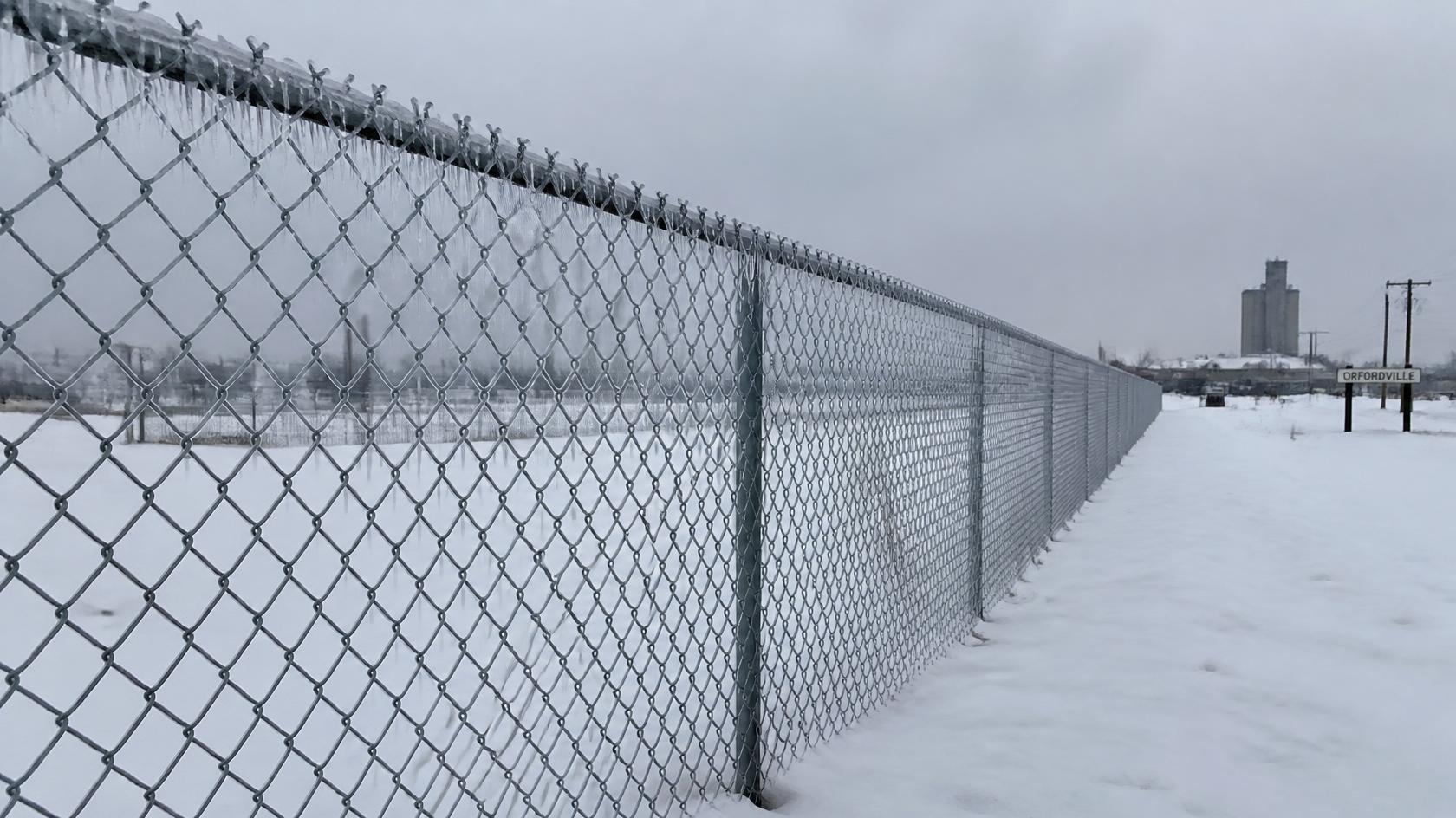
Commercial chain link fencing in Orfordville, WI, needs a seasonal check before winter because snow, ice, wind, plowing, and freeze-thaw cycles can put extra stress on posts, gates, fabric, and hardware. A fall inspection can help property owners catch loose connections, drainage problems, gate issues, and damaged sections before winter conditions make repairs harder.
Why Winter Preparation Matters for Commercial Chain Link Fencing
Chain link fencing is widely used around commercial properties because it provides visibility, security, and practical perimeter control without fully blocking sightlines.
For businesses, property managers, warehouses, storage yards, service facilities, and other commercial sites in Orfordville, chain link fencing often plays an important role in controlling access and protecting equipment or property.
Winter conditions can make small fence problems more noticeable.
Snow accumulation, freezing rain, ice, strong winds, plowing activity, and repeated freezing and thawing can affect posts, gates, tension hardware, and the ground supporting the fence.
Preparing the fence in fall gives property owners time to identify weak areas before snow and frozen soil make maintenance more difficult.
Inspect the Entire Fence Line Before Snow Arrives
A commercial fence should be inspected from end to end, not just around gates and entrances.
Walk the perimeter and look for visible changes or damage.
Check for:
Leaning or loose posts
Bent top rails
Loose chain link fabric
Broken ties
Damaged tension bars
Rust or corrosion
Bent sections
Impact damage
Gaps near the ground
Vegetation pushing into the fence
Long fence runs can make small problems easy to overlook.
A loose section may not seem urgent in mild weather, but snow buildup or strong wind can place additional pressure on already weakened components.
Check Posts for Movement and Stability
Fence posts support the entire chain link system.
If posts are leaning, shifting, or moving when pressure is applied, the fence may not perform as intended through winter.
Post movement can result from:
Saturated soil
Erosion
Freeze-thaw cycles
Vehicle impact
Snow removal equipment
Storm damage
Poor drainage
Age-related wear
Commercial properties with exposed fence lines may be especially vulnerable to wind pressure.
Even though chain link fencing allows air to pass through more easily than solid privacy fencing, damaged or unstable posts can still become worse after repeated winter weather.
Examine the Chain Link Fabric
The woven fabric should remain tight enough to maintain a consistent fence line.
Loose or damaged fabric may create gaps or allow the fence to pull away from posts and rails.
Look for areas where the mesh is:
Sagging
Torn
Bent
Pulled loose
Detached from posts
Damaged near the bottom
Damage near ground level can become more problematic during winter because snow piles may hide openings.
This can be especially important for businesses using fencing for equipment security, access control, or property separation.
Repairing loose fabric in fall helps keep the perimeter more consistent once snow begins accumulating.
Inspect Fence Ties, Tension Bands, and Connections
Chain link fencing relies on a series of smaller components that hold the system together.
Fence ties connect the mesh to posts and rails. Tension bands and bars help keep the fabric secure at terminal posts.
If these parts become loose, bent, or missing, the fence can gradually lose tension.
Check for hardware that is:
Missing
Rusted
Bent
Loose
Cracked
Pulling away from posts
Small hardware problems are usually easier to correct before they affect larger sections.
Commercial sites with long fence lines should pay particular attention to corners, gates, and terminal posts because these areas often handle more structural stress.
Prepare Gates for Snow and Ice
Gates are one of the most important areas to inspect before winter.
Commercial gates often see frequent use from employees, delivery vehicles, contractors, customers, or equipment.
A gate that already drags or fails to latch properly may become much harder to operate after snow or ice builds up.
Check:
Gate alignment
Hinges
Rollers
Tracks
Latches
Locks
Posts
Stops
Chains
Access control components
Swing gates should have enough ground clearance to operate when snow is present.
Sliding gates need clear tracks or travel areas.
If snow or ice repeatedly blocks the gate path, the gate may be forced, which can damage hardware or create alignment problems.
Coordinate Fence Planning With Snow Removal
Snow removal is a major consideration for commercial properties.
Plow operators need enough room to clear parking lots, driveways, loading areas, and service roads without damaging fencing.
Before winter, identify where snow will be pushed and stored.
Avoid creating large snow piles directly against chain link fencing whenever possible.
Heavy compacted snow can place pressure on the mesh, posts, and rails.
Plows can also accidentally strike:
Fence posts
Gate frames
Bollards
Access control equipment
Corner sections
Marking vulnerable areas before the first significant snowfall can help reduce accidental damage.
High-visibility markers may be useful where posts or corners are difficult to see once snow covers the ground.
Keep Snow Piles Away From the Fence When Possible
Snow itself can become heavy, especially after repeated plowing or freeze-thaw cycles.
A light snowfall may not create much pressure, but large piles pushed against the fence can become dense and compacted.
When temperatures rise and fall, piled snow may partially melt and refreeze.
This can create a heavy frozen mass against the lower part of the fence.
Over time, pressure may contribute to:
Bent mesh
Loose ties
Leaning posts
Damaged rails
Gate obstruction
Commercial property owners should plan snow storage areas that minimize unnecessary pressure on fence lines.
Watch for Ice Buildup
Freezing rain and ice can add weight to chain link fencing.
Unlike snow, ice can coat individual wires, rails, and hardware.
If the fence already has weak components, ice buildup combined with wind may increase stress.
After an ice event, inspect exposed sections for visible movement, sagging, or loose connections.
Avoid striking the fence aggressively to remove ice because that can damage the mesh or hardware.
Allowing ice to melt naturally is often safer unless the buildup is interfering with an important gate or access point.
Address Drainage Around Fence Posts
Drainage is an important but sometimes overlooked part of fence maintenance.
Water collecting around posts may contribute to soil movement and erosion.
During winter, wet soil can freeze and expand. As temperatures rise, the ground thaws again.
Repeated freeze-thaw cycles can gradually affect post stability.
Before winter, look for:
Standing water
Low spots
Erosion
Blocked drainage paths
Downspouts emptying near posts
Soil washing away from post bases
Correcting drainage issues can help reduce seasonal stress around the fence.
Commercial properties with paved areas should also consider how runoff moves from parking lots and roofs toward the fence line.
Trim Vegetation Near the Fence
Vegetation can create additional winter problems if it is left growing directly against the fence.
Branches, vines, weeds, and shrubs may hold moisture or snow against the chain link.
Tree limbs can also break under snow or ice and fall onto the fence.
Fall is a good time to trim vegetation that is:
Growing through the mesh
Pressing against posts
Hanging over the fence
Blocking gate movement
Hiding damaged sections
Keeping the fence line clear also makes winter inspections easier.
For security-sensitive commercial properties, clear sightlines may also help improve visibility around the perimeter.
Inspect Areas Exposed to Vehicle Traffic
Commercial fencing near parking lots, loading docks, service lanes, and driveways faces a higher risk of impact damage.
A post that has been lightly struck may remain standing but still be weakened or out of alignment.
Inspect areas near:
Parking spaces
Loading zones
Dumpster areas
Delivery entrances
Driveways
Equipment storage
Snow plow routes
Winter can increase the risk of accidental impact because snowbanks narrow driving areas and make fence edges harder to see.
Fixing damaged sections before snow arrives can make the property easier to navigate safely.
Consider Privacy Screening Before Winter
Some commercial chain link fences use privacy slats or screening.
These additions can improve privacy, but they also increase wind resistance.
A chain link fence without screening allows much more airflow than a solid barrier.
Once privacy material is added, wind places greater pressure on posts and rails.
Before winter, check that screening is properly attached and that the fence structure remains stable.
Loose privacy material should be secured because strong winter winds may tear or pull it away.
Check Security and Access Control Components
Some commercial fence systems include locks, keypads, powered gates, card readers, or other access control features.
These systems should be checked before cold weather.
Make sure:
Locks operate smoothly
Gate hardware closes correctly
Access controls are securely mounted
Cables and housings appear protected
Gate travel areas are clear
Cold temperatures, snow, and ice can make existing mechanical problems more noticeable.
For properties that depend on controlled access for employees, deliveries, or security, addressing problems in fall can help reduce winter disruptions.
Repair Damage Before the Ground Freezes
Some fence repairs are easier when the soil remains workable.
If posts need resetting or replacement, frozen ground may complicate the process.
That makes early fall a practical time to evaluate whether damage involves only surface hardware or deeper structural components.
Problems that should not be ignored include:
Severely leaning posts
Bent terminal posts
Large gaps
Broken gate supports
Significant corrosion
Loose or torn fabric
Damaged top rails
Repeated gate misalignment
Delaying necessary repairs may allow winter weather to increase the extent of the damage.
Plan for Commercial Fence Maintenance Throughout Winter
Winter fence care does not end once the first snow arrives.
Property managers should periodically inspect high-use and high-risk areas.
After major snow, wind, or ice events, check:
Main gates
Vehicle entrances
Corners
Fence sections near snow piles
Areas near plow routes
Exposed perimeter sections
Minor damage is easier to manage when it is identified early.
Documenting fence condition can also help commercial property managers track recurring problem areas from season to season.
Prepare Your Commercial Fence Before Winter
Commercial chain link fencing is designed for practical, reliable perimeter protection, but winter conditions can expose weaknesses that are easy to miss during warmer months.
A fall inspection gives Orfordville property owners time to check posts, fabric, gates, hardware, drainage, access control, and snow removal areas before frozen ground and heavy snow make repairs more challenging.
Dach Fence provides commercial fence installation, fence repair, fence replacement, gate services, and chain link fencing for businesses and property owners throughout Illinois and Wisconsin.
If your commercial fence needs inspection, repair, replacement, or winter preparation, contact Dach Fence for a free estimate and practical recommendations for your property.
