
Chain Link vs Wood Fence for Midwest Properties
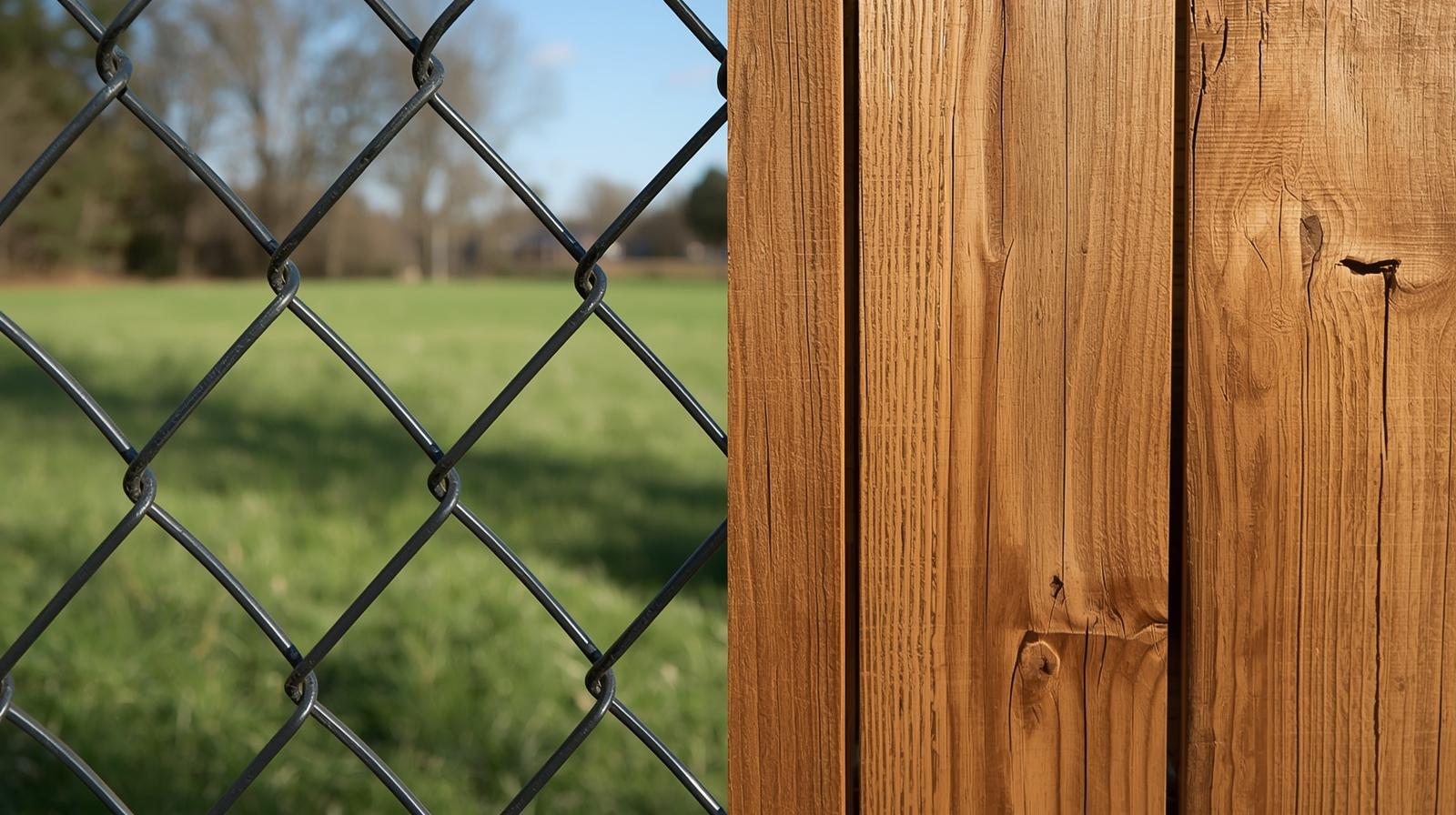
Choosing the right fence material is an important decision for homeowners and businesses across the Midwest. Two of the most common options are chain link fencing and wood fencing, each offering different advantages depending on your property needs.
For properties in Wisconsin and Illinois, climate conditions such as snow, moisture, wind, and seasonal temperature swings play a major role in determining which fence material performs best over time.
At Dach Fence, we install and repair fences for residential and commercial properties throughout Southern Wisconsin and Northern Illinois. In this guide, we compare chain link vs wood fences for Midwest properties, examining durability, maintenance, cost considerations, and overall performance in the region’s climate.
Why Fence Material Matters in the Midwest
Fence materials must withstand a wide range of weather conditions across Wisconsin and Illinois. Winters bring snow, ice, and freezing temperatures, while summers can include heavy rain, humidity, and strong storms.
Because of these conditions, choosing the right fence material is essential for long-term durability and reduced maintenance.
The two most commonly installed fence types in Midwest properties are:
Chain link fencing
Wood privacy fencing
Both materials serve different purposes depending on the level of privacy, security, and appearance desired.
Chain Link Fencing for Midwest Properties
Chain link fences are widely used across Wisconsin and Illinois for both residential and commercial applications. They are known for their durability, affordability, and ability to withstand harsh weather.
Advantages of Chain Link Fences
Chain link fencing offers several benefits for Midwest properties:
Lower installation cost
Strong galvanized steel construction
Minimal maintenance requirements
Excellent durability in snow and wind
Long lifespan
Because chain link fences allow airflow through the mesh design, they are less likely to be damaged during strong winds common in Southern Wisconsin and Northern Illinois.
Chain link fences are commonly used for:
Backyard pet enclosures
Large residential properties
Commercial or industrial sites
Schools and parks
Limitations of Chain Link Fencing
While chain link fencing offers durability, it does have some drawbacks.
Potential limitations include:
Limited privacy
Less decorative appearance
May not match certain residential aesthetics
Some homeowners choose to add privacy slats or landscaping to improve the visual appearance of chain link fences.
Wood Fencing for Midwest Properties
Wood fencing remains one of the most popular fence types for residential properties across Wisconsin and Illinois. It provides strong privacy coverage and a classic appearance that complements many homes.
Advantages of Wood Fences
Wood fences offer several benefits for homeowners in Midwest properties:
Full privacy for backyards
Traditional and attractive appearance
Customizable styles and heights
Ability to paint or stain different colors
Wood privacy fences are especially popular for homes with patios, pools, or outdoor entertainment areas.
Limitations of Wood Fencing
Wood fences require more maintenance compared to chain link fencing, particularly in Midwest climates.
Potential drawbacks include:
Susceptibility to moisture and rot
Need for staining or sealing
Potential warping from temperature changes
Higher long-term maintenance costs
Because Wisconsin and Illinois experience freeze-thaw cycles and seasonal moisture, wood fences must be properly treated and maintained to prevent deterioration.
Durability in Wisconsin and Illinois Weather
Weather conditions play a major role in fence longevity across Midwest properties.
Chain Link Durability
Chain link fences typically perform very well in Wisconsin and Illinois climates because:
Steel mesh allows wind to pass through
Galvanized coatings resist rust
Snow accumulation has minimal impact
With proper installation, chain link fences can last 20–30 years or more.
Wood Fence Durability
Wood fences can also last many years but require routine maintenance.
Moisture from snow and rain can lead to:
Rotting posts
Warped boards
Mold or mildew growth
Pressure-treated wood and regular sealing help extend fence lifespan in Southern Wisconsin and Northern Illinois.
Maintenance Requirements
Maintenance needs are another key factor when comparing chain link vs wood fences for Midwest properties.
Chain Link Maintenance
Chain link fencing requires very little maintenance. Occasional inspections and tightening of hardware are typically sufficient.
Galvanized coatings protect the steel from rust, making chain link fencing ideal for low-maintenance properties.
Wood Fence Maintenance
Wood fencing requires more upkeep to maintain appearance and durability.
Typical maintenance includes:
Staining or sealing every few years
Replacing damaged boards
Checking for moisture damage
Homeowners in Wisconsin and Illinois should regularly inspect wood fences after winter to identify potential damage from snow or moisture.
Cost Considerations
Fence costs vary depending on materials, installation complexity, and property size.
In general, chain link fencing is usually more affordable than wood fencing, especially for large properties.
Wood fencing may have higher installation costs due to:
Additional materials
Privacy panel construction
Increased labor time
However, many homeowners choose wood fencing because of its privacy and visual appeal.
Best Uses for Chain Link vs Wood Fences
Choosing the best fence material depends on your property goals.
Chain Link Is Best For
Large yards
Pet containment
Commercial properties
Budget-friendly fencing projects
Low-maintenance fencing
Wood Fences Are Best For
Backyard privacy
Residential neighborhoods
Decorative landscaping designs
Outdoor entertainment areas
Property owners across Southern Wisconsin and Northern Illinois often choose wood fences for privacy and chain link fences for functionality.
Why Professional Installation Matters
Regardless of the material you choose, professional installation ensures the fence performs well in Midwest weather conditions.
Proper installation includes:
Deep fence post placement below frost lines
Secure anchoring for stability
Correct spacing and alignment
Durable hardware and materials
These installation methods help fences withstand the freeze-thaw cycles common in Wisconsin and Illinois.
At Dach Fence, we install both chain link and wood fences designed specifically for Midwest properties.
Frequently Asked Questions
Which fence is cheaper: chain link or wood?
Chain link fencing is generally more affordable than wood fencing, especially for large properties in Wisconsin and Illinois.
Which fence lasts longer?
Chain link fences often last longer because they require less maintenance and resist moisture damage.
Is wood fencing better for privacy?
Yes. Wood fences provide full privacy, making them a popular choice for residential backyards.
Can chain link fences include privacy options?
Yes. Privacy slats or landscaping can be added to chain link fencing to reduce visibility.
What fence material works best in Midwest weather?
Both chain link and properly treated wood fences perform well when installed correctly for Wisconsin and Illinois climates.
Get Professional Fence Installation
Choosing the right fence material depends on your privacy needs, budget, and long-term maintenance preferences.
Dach Fence provides professional fence installation and repair throughout Southern Wisconsin and Northern Illinois. Our experienced team installs durable chain link and wood fences designed to withstand Midwest weather conditions.
Contact Dach Fence today to schedule a consultation and learn more about the best fencing options for your Midwest property.
