
Chain Link Fence Installation Cost in Wisconsin (2026 Guide)
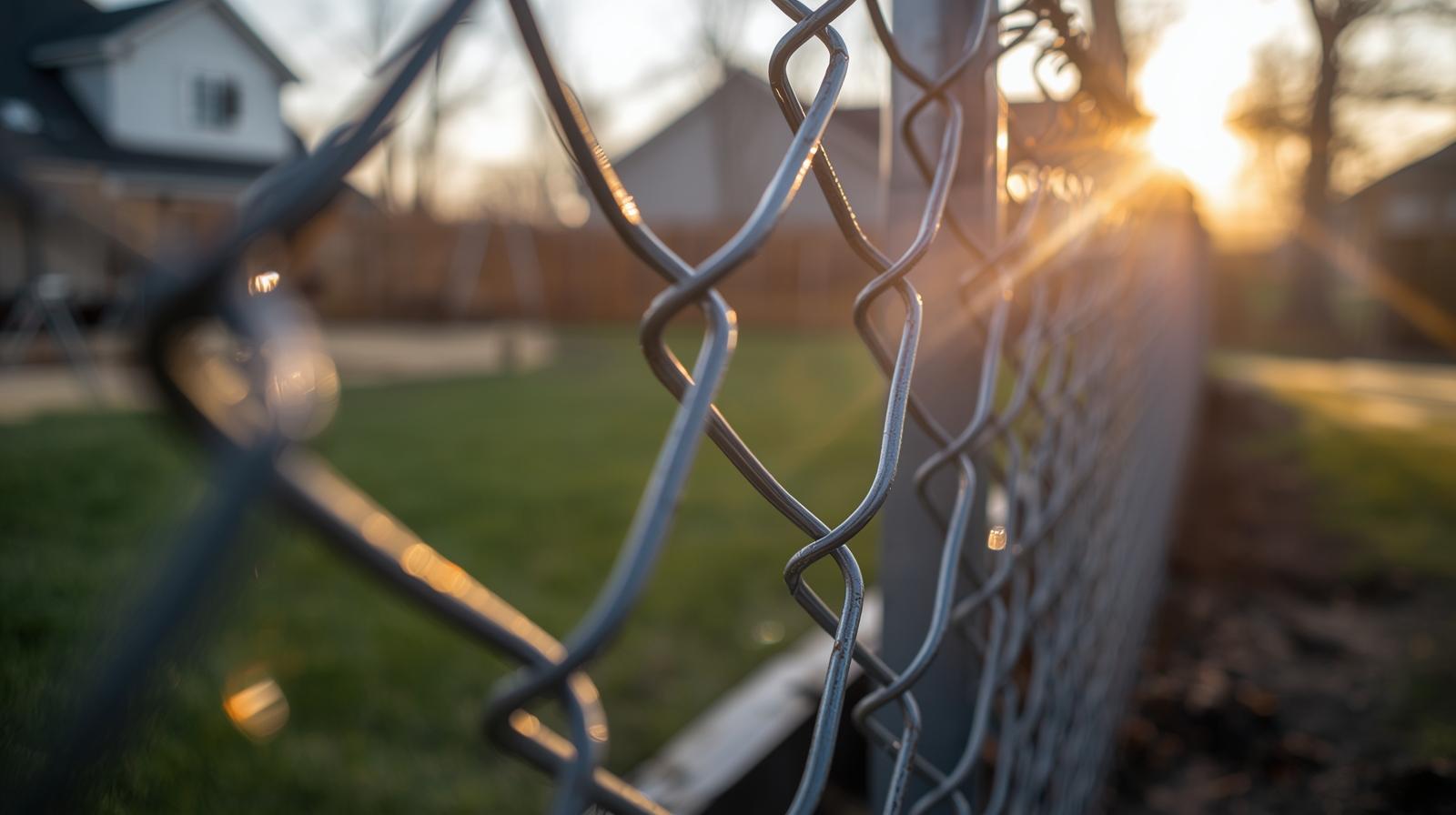
Planning to add a chain-link fence to your Wisconsin yard? The first question on every homeowner's mind is, "How much is this going to cost?" You need a real number for your budget, not a vague guess. This 2026 guide breaks down the real costs of chain link fence installation in Wisconsin so you can plan with confidence.
For professional installation, the average cost of a chain link fence per foot in Wisconsin typically falls between $25 and $45. This all-in price combines materials (the wire mesh, posts, and hardware) and the labor required to get the job done right in our local climate.
To put that into perspective, fencing a standard 150-foot suburban backyard would mean a total fence cost estimate of roughly $3,750 to $6,750. The following sections walk through every factor that influences that price, from fence height to the number of gates, so you know exactly what to expect on your quote.
Your Quote Explained: What's Included in the Price?
When you receive a professional quote, the total fence installation price is broken into two main parts: Materials and Labor. Materials cover the cost of the physical fence parts, while labor covers the professional crew’s time and expertise. This isn't just about stretching the fence; it includes everything from digging post holes below Wisconsin's frost line to securing the gates and cleaning up the site.
To simplify budgeting, most chain link quotes use a "per linear foot" price. This is the all-in cost for a one-foot-long section of your completed fence, including both materials and labor. It makes estimating easy: if a contractor quotes you $30 per linear foot and you need 150 feet of fencing, your base cost will be around $4,500 ($30 x 150).
A complete chain link system consists of three main components that are always included in your material cost:
Fabric: The diamond-patterned wire mesh that makes up the body of the fence.
Framework: The steel posts that provide structure and the top rail that keeps it rigid.
Fittings: All the nuts, bolts, and clamps that hold the system together securely.
The specific type of fabric and the height of the framework you choose are the biggest factors that will raise or lower that per-foot price.
How Fence Height and Wire Choice Affect Your Budget
The first major choice that impacts your budget is the fence height. While a 4-foot fence is perfect for defining property lines and keeping small pets contained, a 6-foot fence provides significantly more privacy and security. This extra height requires taller, stronger posts and more fabric, so the 4 ft vs 6 ft chain link fence cost differs significantly; opting for a 6-foot fence can increase your project total by 25-40%.
Beyond height, the thickness of the wire itself plays a big role in durability. This is measured by its "gauge"—and counterintuitively, a lower gauge number means a thicker, stronger, and more expensive wire. For a typical residential yard, a 9-gauge wire is a durable, long-lasting standard. If you have a very large, strong dog, a contractor might recommend an even thicker (and lower gauge) wire.
Finally, you’ll choose your fence’s finish, which affects both its appearance and lifespan. Standard galvanized steel has that classic silver look and is the most affordable option. However, black vinyl-coated chain link prices are rising in popularity. This option adds a layer of plastic over the galvanized steel for superior rust resistance and a modern look that blends beautifully into landscaping. While it costs more upfront, many homeowners find the added durability and aesthetic worthwhile.
Why Gates Can Be a Major Cost Factor
A gate might seem like a small part of the project, but it often has a surprisingly big impact on the final bill. Unlike a simple stretch of fence, a gate requires its own frame, heavy-duty hardware like hinges and latches, and extra labor to hang and align it perfectly. Crucially, every gate needs two sturdy terminal posts—the stronger, thicker steel posts that anchor the fence—set closely together to support its weight. This concentration of materials and labor makes a gate the most expensive part of your fence per foot.
The type of gate you need is the next big decision affecting your residential chain link fencing estimates. A standard 4-foot-wide walk gate, perfect for foot traffic, will typically add $350 to $600 to your project. If you need to get a riding mower or vehicle through, you’ll need a wider drive gate, which can easily cost $700 to $1,200 or more, depending on its width.
Hidden Costs: Land Prep and Wisconsin's Climate
Beyond visible materials, the land your fence will be built on is a major driver of cost. If your yard has a significant slope, installers must use more labor-intensive techniques to rack the fence—adjusting each section to follow the contours of your yard without leaving large gaps. This extra time and skill adds directly to the labor portion of your bill.
Even more critical in our state is a cost you can’t see: the frost line. During Wisconsin's deep freezes, soil moisture expands and swells in a process called "frost heaving." If fence posts aren't set deep enough in concrete below this frost line, they will be pushed out of the ground, leaving you with a warped fence. A professional crew will dig deeper holes and use more concrete than in warmer climates, a crucial step that protects your investment but adds to the upfront fence installation price.
Similarly, installers need a clear path. If your proposed fence line is covered in overgrown brush, trees, or an old fence that needs to be torn out, expect to see a “site preparation” or “clearing” charge on your quote.
Navigating Wisconsin Fence Permit Requirements
There isn’t a single, statewide set of Wisconsin fence permit requirements. Instead, each municipality sets its own standards for things like maximum fence height and how far a fence must be from your property line, known as a "setback." The rules in a Madison suburb could be completely different from those in a rural corner of the state.
Finding these local rules is simple. A quick online search for your city or town name plus “fence permit” usually leads directly to the guidelines. If not, a brief call to your local building inspector’s office will provide the necessary details.
When you gather residential chain link fencing estimates, ask if permit handling is included. Reputable installers often manage the application process to ensure full compliance, which is a key benefit of hiring an expert.
DIY vs. Pro Installation: Is the Savings Worth the Hassle?
When looking at a professional quote, it’s tempting to consider the DIY chain link fence vs professional installation route to save on labor, which often accounts for 40-50% of the bill. However, it's crucial to weigh the hidden costs of going it alone.
A successful DIY job requires renting specialized equipment, like a power auger for post holes and a fence stretcher to pull the mesh taut. These fees, plus materials wasted on first-time mistakes, can quickly eat into your savings, not to mention the value of your own time and physical effort.
In contrast, hiring affordable chain link fence installers provides value beyond physical work:
A Labor Warranty: If a post heaves after a Wisconsin winter or a gate sags, a professional's warranty means they come back and fix it. With DIY, you’re on your own.
Expertise & Equipment: Pros can handle challenges like rocky soil or sloped ground and own the specialized tools to do the job efficiently.
Speed and Convenience: An experienced crew can often complete a project in a day or two—a task that could consume several weekends for a homeowner.
For most residential backyards, the risk, time commitment, and lack of a labor warranty make professional installation the smarter investment.
Your 5-Step Checklist for an Accurate Wisconsin Fence Quote
You're now equipped to move forward with your fencing project. Follow this checklist to ensure you get clear, comparable quotes from local installers.
Define Your Needs: Decide on the primary purpose of your fence. Is it for a small pet (4-foot height) or for privacy and security (6-foot height)? Choose your preferred finish: standard galvanized or the more durable and modern black vinyl-coated.
Measure Your Fence Line: Use a long tape measure to determine the total linear footage required for your fence. Note the exact location of the proposed fence line.
Plan for Gates and Site Prep: Count how many walk gates and drive gates you'll need. Assess the fence line for any obstacles like brush, trees, slopes, or an old fence that will need to be cleared by the installation crew.
Research Local Permit Rules: Do a quick search for “[Your City] fence permit requirements” or call your local building inspector. Know the rules for height and setbacks from your property line before you call a contractor.
Get Multiple Professional Quotes: Contact at least three reputable fence installers. Provide each one with the same detailed information from the steps above. This allows you to compare their per-foot pricing, gate costs, and site prep fees on an equal footing, helping you make a smart, informed investment in your property.
