
Chain Link Fence Installation Cost in Northern Illinois
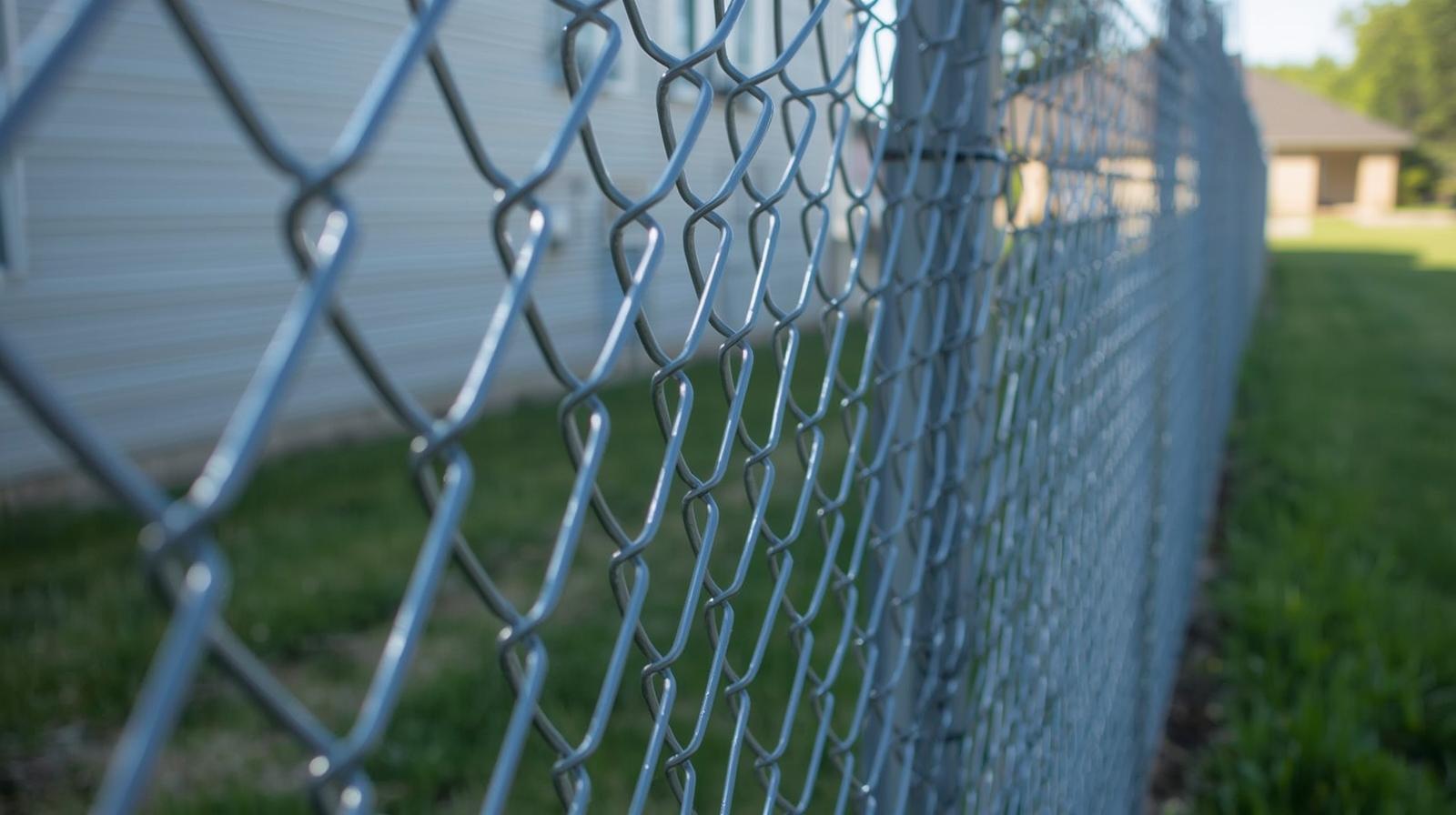
Thinking about a chain link fence for your Northern Illinois home? The first question is always about cost. For a professionally installed project in our area, you can expect the all-in price to be between $25 and $45 per linear foot.
This price covers both materials and labor, but the key to understanding any quote is knowing why labor makes up the largest portion of the budget in our climate.
Why Labor is the Biggest Slice of Your Fence Budget
When you get a quote for a new chain link fence, it’s helpful to know where the money is going. The fence materials themselves often only account for about 40% of the total price. The biggest slice of your budget—around 60%—is typically dedicated to professional installation labor, and for a very good reason specific to our region.
The main driver behind this cost is a challenge unique to Northern Illinois: our deep frost line. This is the depth the ground freezes solid in winter, which is about 42 inches here. To prevent posts from being pushed up by the frozen earth over the years, every single one must be set in concrete below this line. That deep, precise digging and the extra concrete required represent a significant investment in your fence's stability.
When you review an estimate, you aren’t just buying fence parts; you're investing in the expert work required to build a fence that will stand straight and strong through decades of harsh Illinois winters. This crucial step ensures your fence is a long-term asset, not a future headache.
Choosing Your Fence: How Height, Thickness, and Coatings Affect the Price Tag
With materials making up about 40% of your project, the choices you make here directly impact your budget. The most obvious factor is fence height. As you’d expect, a taller fence uses more steel, so the cost difference between a 4-foot and 6-foot fence is significant; opting for a 6-foot fence will typically increase your material price by 25-35% over a standard 4-foot version.
Next, consider the wire’s thickness, known as its gauge. It’s a bit counterintuitive: the lower the gauge number, the thicker and stronger the wire. A standard 11.5-gauge wire is fine for marking boundaries, but if you have a large, energetic dog, investing in a heavier 9-gauge wire provides much greater durability and peace of mind.
You also have a choice in the fence’s finish. Standard chain link is galvanized—coated in zinc to fight rust. For homeowners considering a black vinyl-coated fence, this popular upgrade adds about 15-20% to material costs. In return, the vinyl-coated finish offers superior rust protection and a sleeker look that blends into landscaping.
To see how these choices combine, here is a simple material cost breakdown from good to best:
Good: 4-foot, 11.5-gauge galvanized fence (great for property lines).
Better: 6-foot, 11.5-gauge galvanized fence (good for containing kids and pets).
Best: 6-foot, 9-gauge black vinyl-coated fence (best for security and appearance).
While these material choices set your base price, a few factors on your property itself can also influence the final quote.
Beyond the Fence Itself: 4 Factors That Drive Up Labor Costs
While your choices in materials set the baseline price, the unique layout of your property plays a huge role in the final labor bill. If you have an existing structure, for instance, you'll need to account for the cost to remove and haul away the old fence. Most contractors will list this as a separate line item, typically adding $5 to $10 per linear foot for the demolition and disposal.
Dealing with a sloped or uneven yard also requires more expertise and time. An installer can’t simply run the fence along the ground; they must build a "stepped" fence, where each panel is installed level before dropping down to the next post. This meticulous process is more labor-intensive than working on a flat surface, which is reflected in the final price.
Gates are priced as individual units, not by the foot. A standard 4-foot walk-in gate might cost between $300 and $500 installed, while a 12-foot double-drive gate, wide enough for a vehicle, can be a more significant investment at $700 to $1,200, depending on its construction.
Finally, many towns have specific fence permit requirements. Naperville, for example, has its own regulations on fence height and placement. While the permit fee is often minor, ensuring the project is compliant is a critical step your contractor will manage, sometimes adding a small administrative cost to the project. These labor variables are the primary reason a professional quote is so essential.
DIY vs. Hiring a Pro: A Realistic Cost Breakdown
Looking at the labor fees, it’s natural to wonder if you could tackle this project yourself. For a typical 150-foot backyard fence, the potential savings are significant—often over $2,500. This makes a do-it-yourself installation a tempting path for homeowners looking to maximize their budget.
Before you commit, however, you'll need to rent specialty tools like a gas-powered auger for the post holes and a concrete mixer. These rentals can add up quickly, and that’s before you account for the value of your own time—often two or three full weekends of strenuous physical labor to complete the job correctly.
Ultimately, the decision often comes down to that critical 42-inch post depth. Ensuring every post is set perfectly below our Northern Illinois frost line is the single most important factor for a fence that withstands winter heaving and lasts for decades. For this reason alone, many homeowners find that the peace of mind and long-term stability guaranteed by a professional installation is worth the investment.
How to Get an Accurate Fence Quote
Ready to get a clear price? Start by measuring your planned fence line. Then, when contacting local fence estimators, ask these key questions to ensure you're comparing quotes accurately:
What gauge and coating are you quoting?
Are post depths set below the 42" frost line?
Is removal of my old fence included?
What is the separate cost for the gate(s)?
Is the quote all-inclusive (materials, labor, cleanup)?
By getting at least three quotes, you’re not just discovering the cost of chain link fence installation—you’re verifying it. A good quote isn't a mystery, but a conversation you are now fully equipped to lead.
