
Maintenance Tips for Cedar Fences in Roscoe
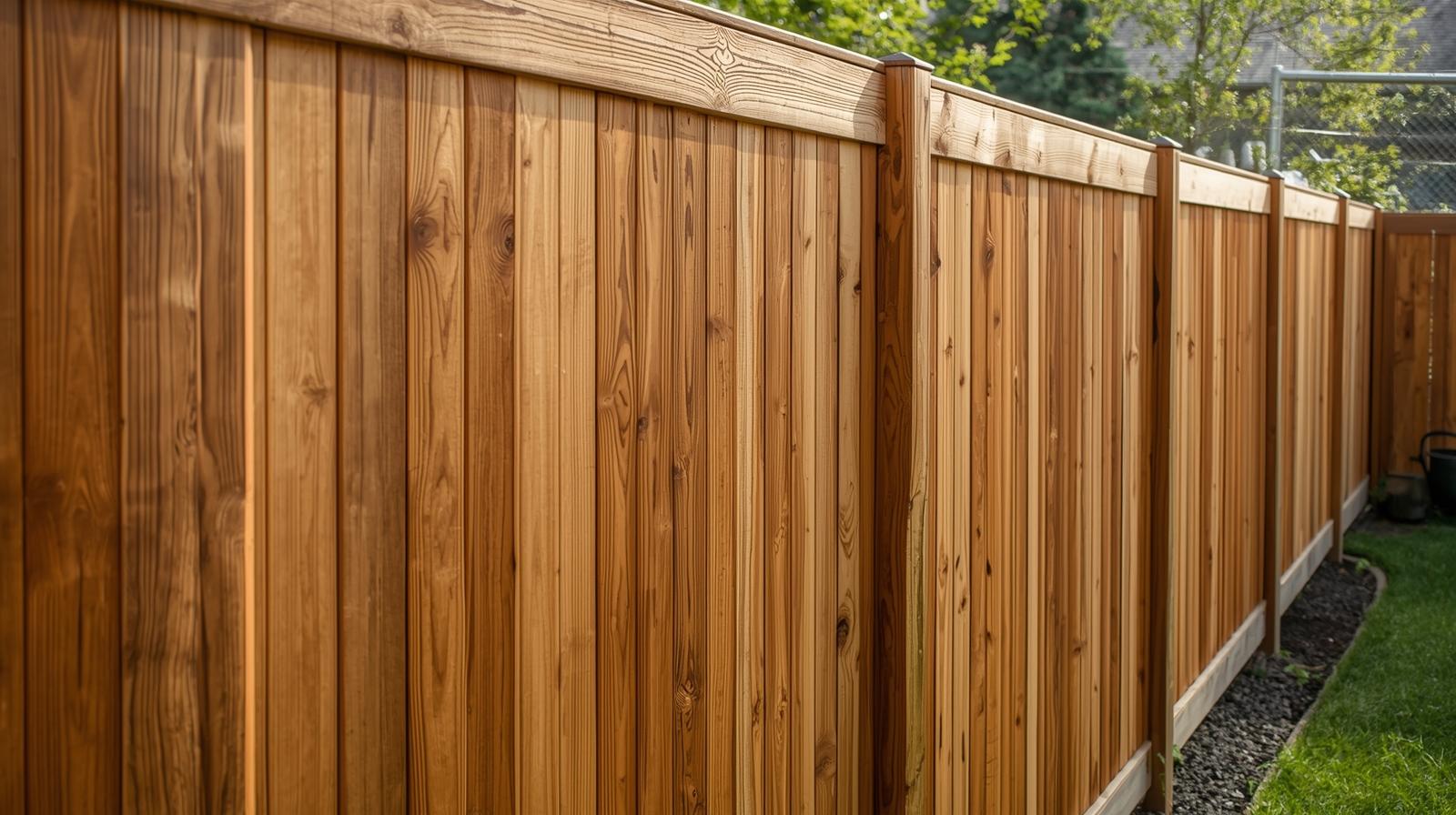
Is that beautiful cedar fence you invested in looking a little more ‘Roscoe winter gray’ than ‘warm summer cedar’? You’re not alone. Homeowners looking for a cedar fence turning gray fix often mistake this for rot, but it’s actually the first sign of sun damage. The sun’s intense UV rays bleach the surface, while our humid summers invite green and black mildew to grow, especially on the shady side of the fence near the bushes.
The great news is that this discoloration is almost always just on the surface. In practice, the wood underneath is still strong and healthy. Think of fence stain like a combination of moisturizer and sunscreen for wood; without it, the surface gets weathered, but the damage isn't deep. This means restoring that original, warm cedar glow is a very achievable weekend project.
Ignoring this, however, allows moisture to seep deeper into the wood. This is where long-term issues begin, making preventing wood rot in fence posts a much bigger job later on. By following a simple seasonal fence care checklist, you can protect your investment from our Illinois weather. Here are the steps to bring that beautiful wood back to life.
Step 1: How to Properly Clean Your Cedar Fence Without Damaging It
Before you can bring back that warm, natural cedar tone, you have to get rid of the gray, weathered surface and any green or black mildew. Staining over dirt and mildew is like painting a dusty wall—the new finish won't stick, and you'll be redoing the job in a year. The goal is to gently clean the wood, not blast it into splinters.
Your first instinct might be to reach for a pressure washer or mix up some bleach, but both can cause more harm than good. Instead, head to a local hardware store and look for a dedicated wood fence cleaner. These products are specifically formulated to kill mildew and algae and remove the dingy gray layer without damaging the sensitive cedar fibers underneath.
The actual cleaning process is straightforward and much safer for your fence. For an average-sized yard in Roscoe, you can get this done in just a few hours.
Gently rinse the fence with a standard garden hose to wet the wood and loosen surface grime.
Apply the cleaner using a basic garden pump sprayer. This inexpensive tool makes it quick and easy to apply an even coat over the entire surface. Let it sit for the time recommended on the bottle (usually 5-15 minutes), but don’t let it dry.
Lightly scrub with a soft-bristle brush on a pole to lift away the grime, then give the fence a final, thorough rinse.
You’ll be amazed at how much brighter the wood looks after just this one step. But what about that pressure washer sitting in your garage? While it’s often seen as the go-to tool for tough cleaning jobs, using one on a cedar fence comes with a critical warning.
Can You Pressure Wash a Cedar Fence? A Critical Warning for Homeowners
While it’s tempting to blast away the gray with a pressure washer, this is the single most common mistake homeowners make. Cedar is a soft wood. Hitting it with high pressure acts like a sandblaster, permanently tearing into the wood fibers. This damage, often called "wood furring," creates a fuzzy, splintered surface that not only looks terrible but also absorbs stain unevenly, leading to a blotchy finish. For a successful DIY cedar fence restoration guide, gentle cleaning is always the best first step.
If you absolutely must use a pressure washer, you have to do it with extreme care. The key is to control the pressure, which is measured in PSI (Pounds per Square Inch). Keep the setting low—between 800 and 1200 PSI is the absolute maximum for softwoods like cedar. Just as important is using the right nozzle. Always use a 25- or 40-degree wide fan tip nozzle to spread the water stream and prevent it from gouging the wood. Keep the nozzle moving and maintain a distance of at least 12-18 inches from the fence boards.
Ultimately, getting too close or using the wrong setting can etch permanent marks into your fence, a costly mistake that often requires professional fence repair in Roscoe, IL to fix. When in doubt, the safer, more reliable method is the hand-scrubbing technique described earlier. Once your fence is clean and undamaged, you’re ready for the secret step that separates a good finish from a great one.
Step 2: The Pro Secret for a Brighter Fence and a Longer-Lasting Stain
The secret is using a wood brightener. After a thorough cleaning, your cedar fence might still look a bit dull or dark. A wood brightener is the magic wand in any good DIY cedar fence restoration guide. It works to reverse the effects of weathering and sun damage, neutralizing the dark, grayed-out look and restoring the natural, warm tones hiding underneath. Think of it as hitting the reset button for your wood’s color, bringing it back to life before you protect it.
Beyond just improving the color, this step is critical for making your new stain last. Most fence cleaners are harsh and can leave the wood's surface unbalanced. The brightener neutralizes the cleaner and, most importantly, it helps to open up the wood pores. This is the key to a professional-looking finish. When the pores are open, the stain can soak in deeply and evenly, creating a much stronger bond with the wood fibers instead of just sitting on the surface where it can quickly peel or fade.
With your fence now clean, bright, and perfectly prepped, you’ve created the ideal canvas. This simple 15-minute step is what ensures your hard work pays off with a beautiful finish that lasts for years. The clear benefits of sealing a cedar fence are only realized when the wood is ready to accept that sealer. Now that it is, you're ready for the final, most important decision.
Step 3: Choosing the Best Protection for the Harsh Illinois Weather
With your fence now clean and bright, you’re ready for the most rewarding step: choosing its armor. This is where you decide on the look and longevity of your finish. The main choice comes down to the type of stain you use, which will provide both color and protection from the elements. While some products are called "sealers," most quality stains today already have sealer mixed in, so we'll focus on the two main stain types.
Your first decision is about appearance. Do you love the natural look of the cedar grain, or do you prefer a rich, uniform color? A semi-transparent stain adds a hint of color while allowing the beautiful wood grain and knots to show through. On the other hand, a solid color stain looks more like a thin coat of paint. It completely covers the wood grain, offering a bold, consistent finish and the highest level of UV protection.
So, what's the best exterior stain for Illinois weather? It depends on your goal. We get intense summer sun and harsh, wet winters here in Roscoe, so durability is key.
For a natural look: Pick a semi-transparent oil-based stain. Oil-based products do a fantastic job of penetrating deep into the cedar, protecting it from within. You’ll get a rich look but may need to reapply it every 2-3 years.
For maximum protection and color: Pick a solid color acrylic (water-based) stain. This creates a thicker protective film on the wood's surface, acting like a powerful sunblock. This option often lasts 4-5 years or more, reducing the long-term cost to restain a wood fence in Winnebago County.
Ultimately, the choice balances aesthetics and maintenance. A semi-transparent stain celebrates the wood itself, while a solid color stain offers a longer-lasting shield. Once you’ve made your choice at the local hardware store, you’re ready to apply it.
Step 4: How to Apply Stain for a Perfect, No-Drip Finish
With your chosen stain in hand, the final step is a careful application. The technique you use here is just as important as the prep work for achieving a beautiful, long-lasting finish. Before you start, check the Roscoe forecast; you’ll want at least 24-48 hours of dry weather with moderate temperatures and no strong winds. For most homeowners, the best tool for the job is a quality 4-inch stain brush, which gives you excellent control.
The secret to a professional-looking job without drips or runs is to work systematically from the top down. Tackle your fence one small section at a time, about three to four boards wide. Start by staining the top board in that section, then move to the one below it, and so on, all the way to the bottom. This approach allows you to brush out any drips from the board above as you work your way down, ensuring an even coat.
To avoid ugly overlap marks where one section meets another, you need to maintain a “wet edge.” This simply means you should always blend new stain into the still-wet edge of your previously stained boards. If you decide to use a roller or sprayer for speed, it’s crucial to follow immediately with a brush. This method, called back-brushing, evens out the finish and forces the stain deep into the cedar’s pores, which is essential for protection.
Once you’ve applied one even coat, stop. Unlike paint, putting on a second coat of most penetrating stains can create a sticky surface that won’t dry properly and may peel later. Your hard work has now paid off, and your fence is protected. This simple DIY cedar fence restoration guide not only boosts curb appeal but also significantly extends the life of your investment, protecting it from the harsh Winnebago County weather.
Your Annual Fence Care Plan for Winnebago County
That cedar fence in your yard is no longer just a backdrop; it’s a living part of your home you now know how to protect. You’ve moved past wondering what to do about the harsh Roscoe weather and now have a clear path to keeping your investment strong and beautiful for years to come.
To make it easy, think of your fence care as a simple seasonal rhythm.
Spring: Inspect for damage and perform a "splash test."
Summer: Clean off any new mildew or grime that appears.
Fall: Trim back overgrown bushes or vines touching the fence.
The biggest question is always how often should you seal a wood fence? The answer is on the wood itself. Try the "splash test": sprinkle some water on a dry spot. If it beads up like on a freshly waxed car, your protection is still good. If it soaks in and darkens the wood, it's time to clean and apply a new maintenance coat.
You now hold the power to extend the life of your fence for years. And if you spot leaning posts, major damage, or the job just feels too big, making an empowered choice to call for help is smart. A quick search for "professional fence repair Roscoe IL" or "local fence staining companies" will connect you with the right experts. You’re in control, whether you do the work yourself or decide when to delegate it.
