
Cedar Fence Installation in Beloit, WI
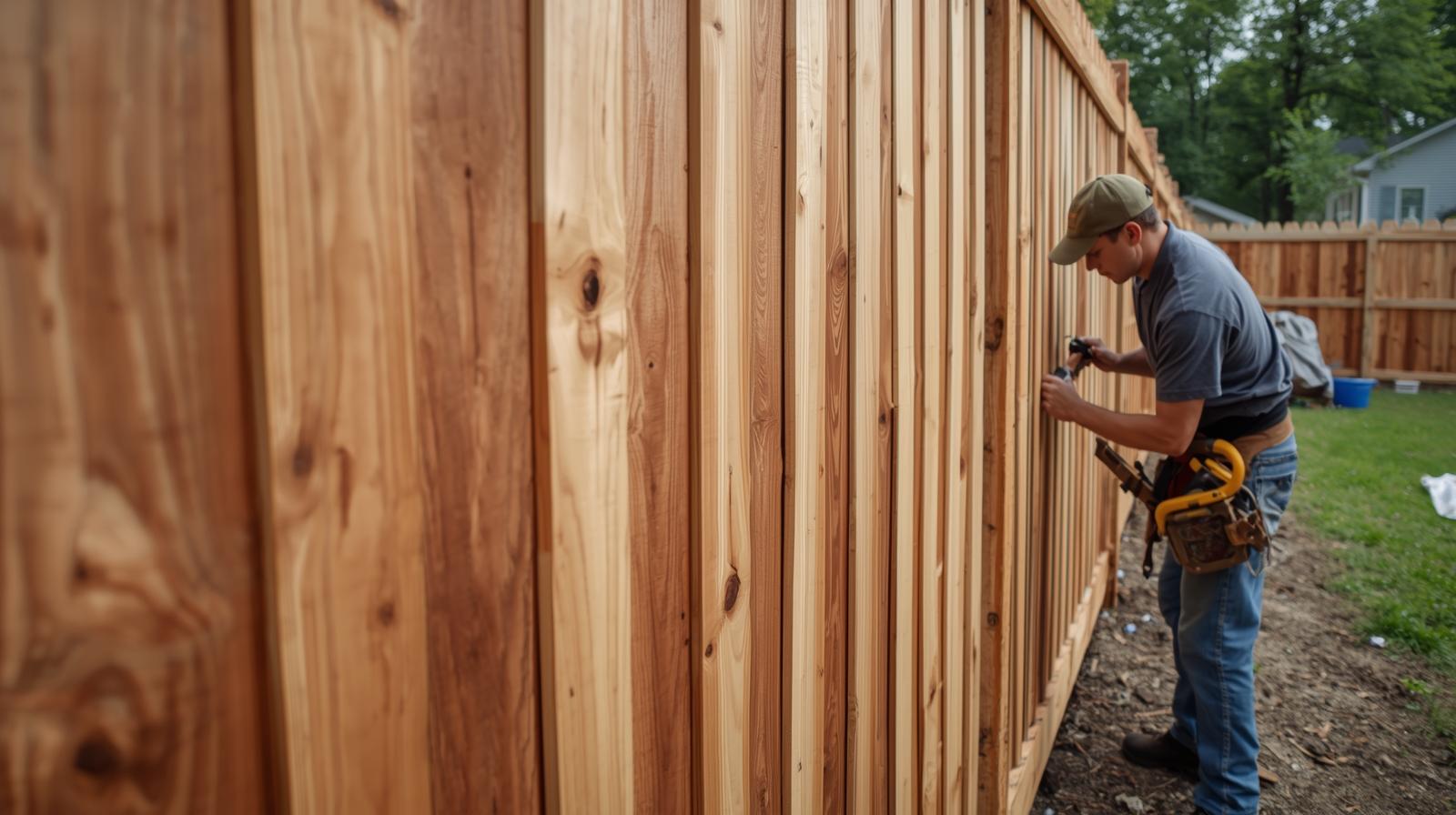
We’ve all seen them around Beloit—fences that lean, sag, or heave after just a few winters. While a tough Wisconsin winter takes some blame, the real issue is often a mistake made the day the posts were set. The secret to a long-lasting cedar fence is building specifically for our climate by digging posts deep enough to get below the frozen earth. This prevents the ground from pushing your fence out of alignment season after season.
This guide provides the essentials for a Beloit, WI, fence that lasts for decades, not just years. We’ll cover key planning, building, and maintenance steps so you can tackle the project yourself or have a smart conversation with a local professional.
Why Choose Cedar Over Vinyl or Pressure-Treated in Wisconsin?
For a fence that must survive Beloit’s distinct seasons, the right material saves headaches and money. Pressure-treated (PT) wood is a common, cheaper option, but it relies on chemical infusions to resist decay. Cedar has a natural advantage: it produces its own oils, called tannins, that inherently fight off the rot and pests common in our damp climate. This natural defense gives it better long-term longevity than a PT fence.
Vinyl, while low-maintenance, can't match the authentic look of Western Red Cedar. In our climate, vinyl can become brittle and crack from years of sun and cold, whereas cedar ages gracefully. For many homeowners, that natural beauty and durability provide a value that synthetic materials can't replicate. Cedar delivers an unmatched combination of natural resilience and timeless curb appeal.
Before You Dig: The Two Critical First Steps in Beloit
While it’s tempting to start digging immediately, every fence project in Beloit must clear two essential hurdles to be safe and legal. These non-negotiable steps protect you from dangerous accidents and costly mistakes.
Your pre-build checklist is simple:
Call 811 (Digger's Hotline): At least three business days before you dig, make this free call. A crew will mark underground public utility lines (gas, water, electric) to prevent outages and accidents.
Check City of Beloit Ordinances: A quick visit to the city’s website reveals local rules on fence height and setbacks—the required distance from property lines or sidewalks. This ensures you won’t have to tear down your fence for being a few inches off.
With these checks complete, you're ready to build a foundation that can withstand Wisconsin's notorious frost heave.
How to Set Fence Posts to Survive Wisconsin Frost Heave
Leaning, crooked fences are a common casualty of Wisconsin winters. The problem is frost heave, which occurs when frozen ground expands and pushes posts out of the earth. To prevent this, your post holes must go deeper than the frost. In the Beloit area, the frost line is about 48 inches deep. Digging below this point anchors your post in stable, unfrozen soil, making it immune to that upward push.
Before placing the post, pour 6 inches of drainage gravel into the bottom of the hole. This is your best defense against rot, as it gives rainwater a place to drain away, keeping the base of the cedar post dry.
Next, place your post in the center of the hole on the gravel. Before adding concrete, grab a level. To ensure the post is perfectly straight, check it from two adjacent sides (front-to-back and left-to-right), adjusting until the bubble is centered. Once the post is held straight, mix and pour concrete, stopping a few inches below ground level to lock it into a rock-solid foundation.
From Posts to Privacy: Assembling Your Cedar Fence Frame
With your posts secure, it’s time to build the frame. The horizontal boards connecting the posts are called rails. To prevent sagging, use a string line. Tie a string tightly between two end posts at the desired height for your top rail to create a perfectly straight guide for attachment.
Once the rails are secure, begin attaching the vertical pickets. A critical detail is using the right screws. Standard screws will rust in Beloit's weather, leaving black streaks down your cedar. You must use either stainless steel or hot-dip galvanized screws to keep your fence looking clean.
For a professional finish, consistent picket spacing is key. You don’t need a special tool; just use a scrap piece of wood as a spacer block. After installing a picket, place the block against its edge before positioning the next one. This simple step ensures a uniform look across the entire fence line.
Protect Your Investment: A 2-Step Cedar Fence Maintenance Plan
Your new cedar fence looks fantastic, but don't stain it immediately. Freshly installed cedar needs 3 to 6 weeks to dry. Staining too soon traps moisture, leading to a splotchy, ineffective finish. This waiting period is a crucial first step for proper care.
Once the wood has dried, choose a penetrating oil-based stain. Unlike paints that sit on the surface and can peel, an oil stain soaks deep into the cedar fibers, protecting from the inside out. It blocks moisture before it can cause damage and is the best way to preserve that rich, natural cedar color.
To keep your fence looking great through harsh winters and humid summers, plan to re-apply a fresh coat of stain every 2 to 3 years. This simple upkeep protects your investment and ensures your fence remains a beautiful backdrop for your Beloit home for decades.
Your Next Step: DIY Project or Time to Call a Beloit Pro?
You now understand the crucial steps for a fence that survives Wisconsin winters: digging below the frost line, using gravel for drainage, and following city rules. The first real decision is whether to build it yourself. Evaluate the time, tools (like a power auger), and physical effort required to make an informed choice.
Whether you build it or hire professional fence contractors, you are now an empowered customer. You can ask the right questions about technique and materials, ensuring your investment in a new cedar fence is one that truly lasts.
