
What Is the Best Fence for Snow and Ice Conditions?
Living in regions with heavy snowfall and icy winters, like Illinois or the Midwest, means your fence faces unique challenges. Snow accumulation, freeze-thaw cycles, and ice buildup can cause warping, cracking, rusting, or even collapse if the material isn't up to the task. Choosing the best fence for snow and ice conditions is essential for durability, low maintenance, and long-term value. In this comprehensive guide, we'll explore top fencing options, backed by expert insights, to help you select a weather-resistant barrier that stands strong through blizzards and beyond. From vinyl's resilience to metal's strength, discover what works best in cold climates.
Key Factors to Consider for Winter-Ready Fences
Before diving into specific materials, understand what makes a fence suitable for snow and ice. Harsh winters bring moisture that leads to rot in absorbent materials, expansion/contraction causing cracks, and heavy loads that bend or break weak structures. Look for:
Moisture Resistance: Materials that don't absorb water prevent rot and corrosion.
Flexibility and Strength: Ability to handle snow weight (up to 20-30 pounds per square foot in heavy storms) without snapping.
Low Maintenance: Easy to clean salt residue or ice without frequent repairs.
Installation Depth: Posts set below the frost line (36-42 inches in Illinois) to avoid heaving.
Coatings and Treatments: UV and rust protection for longevity.
Local codes, like those in Rockford or Chicago, may require permits and specific heights, so consult pros.
Vinyl Fencing: The Top Choice for Snow and Ice
Vinyl (PVC) emerges as the best fence for snow and ice conditions, praised for its all-weather performance. Unlike wood, it doesn't warp, rot, or corrode from moisture, making it ideal for freeze-thaw cycles. High-quality vinyl remains flexible in sub-zero temps, resisting brittleness and cracking under ice.
Pros:
Durability: Five times stronger than wood, handles heavy snow loads without sagging.
Low Maintenance: Hose off snow or salt; no painting or sealing needed.
Aesthetics: Mimics wood or offers sleek designs in various colors that don't fade.
Longevity: Lasts 20-30 years, even in harsh winters.
Eco-Friendly: Recyclable and chemical-free.
Cons:
Higher upfront cost ($25-50 per foot).
Can become brittle if low-quality; opt for virgin vinyl with UV inhibitors.
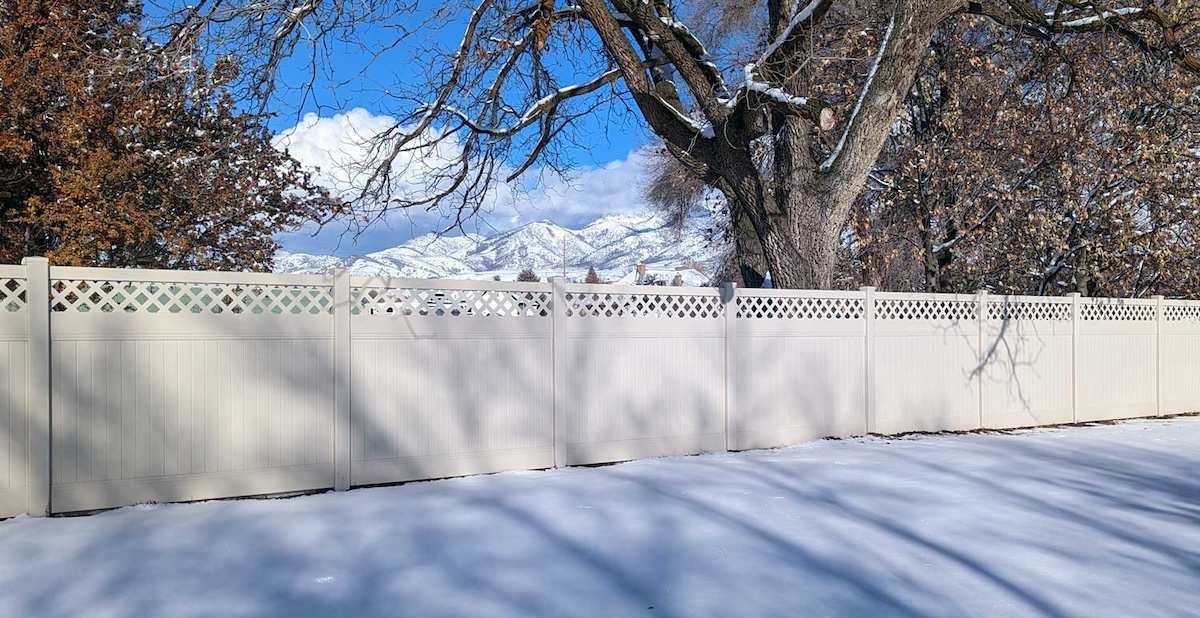
In snowy areas like Northern Virginia or Utah, vinyl outperforms others by shedding snow easily due to its smooth surface. For Illinois homes, it's perfect for privacy panels that block wind-driven snow.
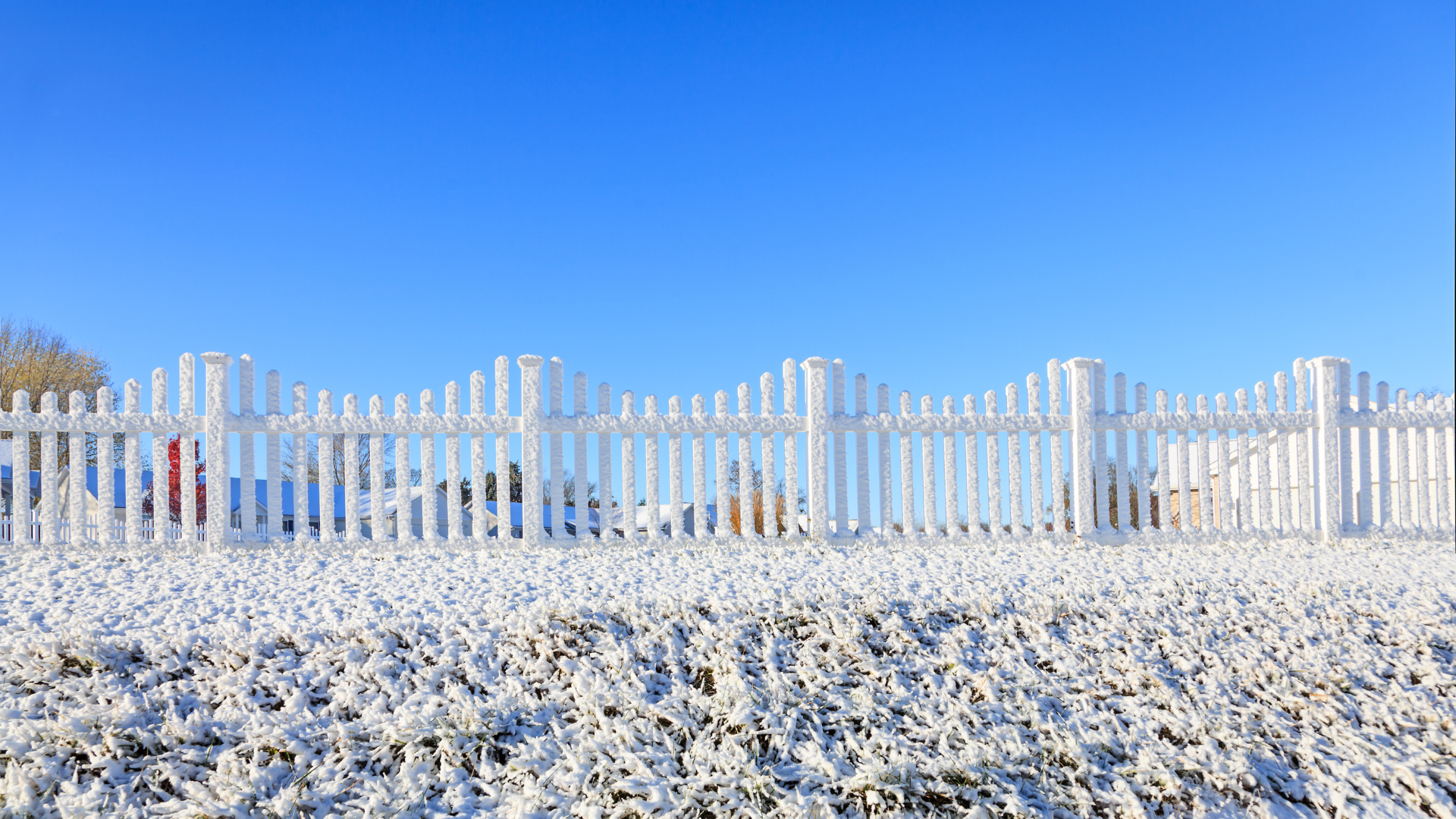
Metal Fences: Aluminum and Steel for Strength
Metal options like aluminum and steel are strong contenders for snow and ice, offering robustness where vinyl might flex too much.
Aluminum Fencing
Lightweight yet durable, aluminum doesn't rust, making it excellent for icy, salty conditions. Powder-coated versions resist chipping from ice scrapers.
Pros:
Corrosion-Free: Ideal for road salt exposure.
Easy Install: Lighter than steel, suitable for sloped yards.
Ornamental Appeal: Elegant designs that enhance curb appeal.
Wind Resistance: Open styles allow snow to pass through.
Cons:
Less sturdy under extreme snow weight; may dent.
Higher cost for premium coatings ($30-50 per foot).
Aluminum is great for pool enclosures in winter, as it withstands freeze without warping.
Steel Fencing
Galvanized or powder-coated steel provides unmatched strength for heavy snow and winds. It's the go-to for commercial properties in cold climates.
Pros:
Heavy-Duty: Resists impacts from falling ice or plows.
Long-Lasting: 20-50 years with proper coatings.
Security: Rigid build deters intruders.
Cons:
Prone to rust if coating damages; requires touch-ups.
Heavier, increasing installation costs ($30-60 per foot).
More maintenance in humid winters.
In Reddit discussions, users recommend galvanized steel posts set deep to combat frost heave.
Chain Link Fencing: Practical and Resilient
Chain link, often galvanized steel, is a budget-friendly option for snow-prone areas. Its open weave prevents snow buildup, reducing load stress.
Pros:
Affordable: $8-18 per foot.
Durability: Flexible mesh bends without breaking.
Low Maintenance: Rinse off ice; vinyl-coated for extra protection.
Visibility: Great for security without blocking views.
Cons:
Limited privacy; add slats for wind/snow block.
Industrial look may not suit all homes.
It's practical for large yards in heavy snow regions, as snow drifts through rather than piles up.
Wood Fencing: Traditional but High-Maintenance
Wood, like cedar, can work in snow but requires effort. Western Red Cedar resists decay better than pine.
Pros:
Natural beauty and privacy.
Customizable.
Cons:
Absorbs moisture, leading to rot and warping.
Needs annual sealing; snow accelerates wear.
Shorter lifespan (10-15 years).
Avoid unless you're committed to upkeep; not the best for intense ice.
Other Options: Woven Wire and Composite
Woven wire or high-tensile fences are strong for rural areas, handling snow loads with flexibility. Poly-coated versions add resistance. Composite fences blend wood fibers with plastic for vinyl-like durability without full PVC cost.
Maintenance Tips for Winter Fence Protection
Even the best fence needs care:
Clear snow gently with a broom, not shovels.
Apply sealants in fall.
Inspect for ice damage post-thaw.
Ensure proper drainage to prevent heaving.
Use gravel bases for posts.
Professional installation ensures depth and stability.
Conclusion: Vinyl Reigns Supreme for Harsh Winters
For the best fence in snow and ice conditions, vinyl stands out for its resilience, minimal upkeep, and ability to endure extreme cold without compromise. If strength is key, consider aluminum or steel. Assess your needs—privacy, budget, aesthetics—and consult local experts for installation. A well-chosen fence not only survives winter but enhances your property year-round. Ready to winter-proof your yard? Start with a vinyl quote today.
