
Agricultural Fence Installation in Northern Illinois
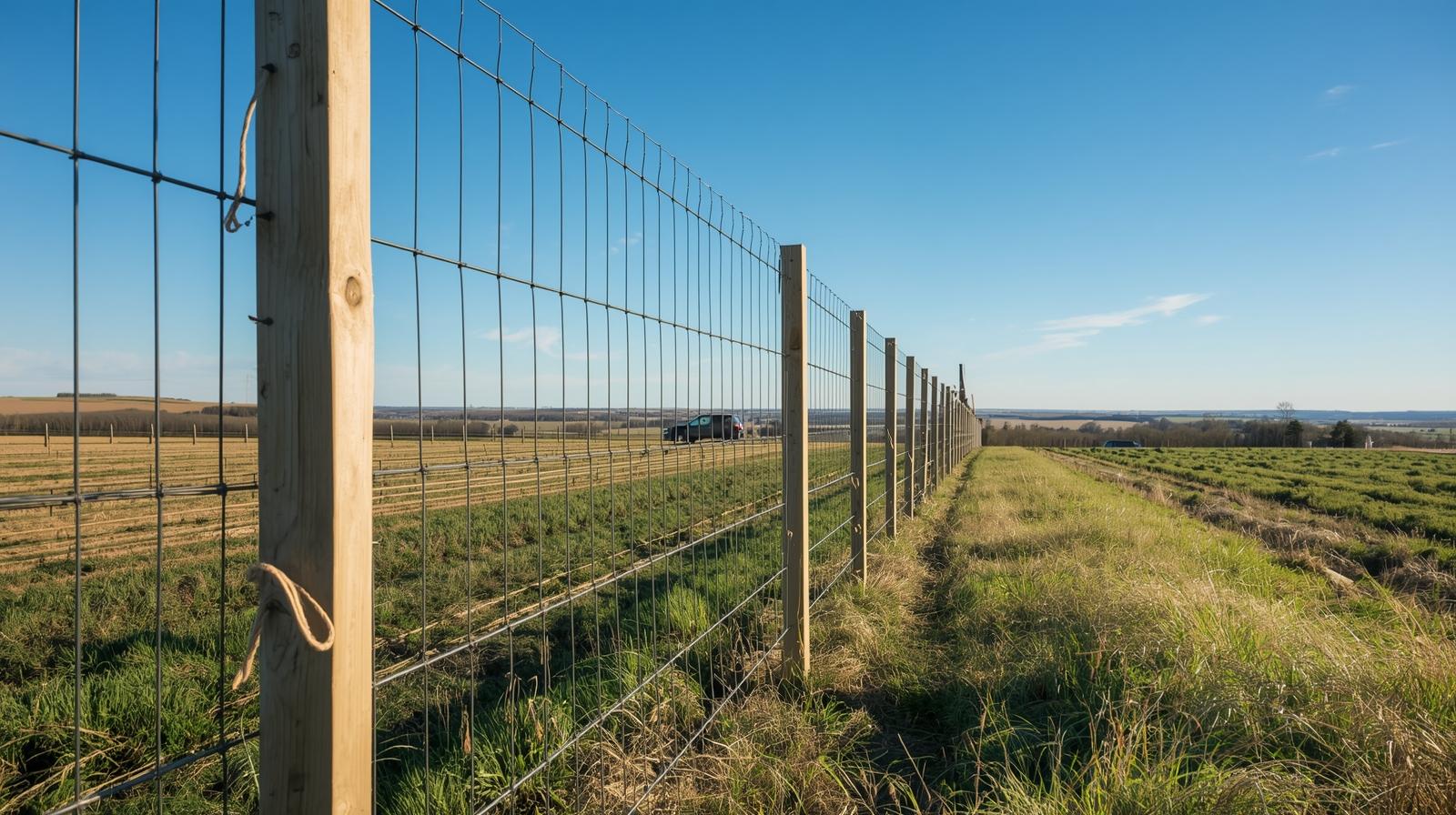
For landowners in Northern Illinois, a new fence is essential for letting animals graze safely or protecting a garden from deer. Yet, the biggest threat isn't a charging animal—it’s the frozen ground. Each winter, moisture in the soil freezes and expands with incredible force, a process called frost heave, which pushes shallow posts right out of the earth. Fixing a heaved fence line is one of the most expensive and avoidable mistakes in our region. This guide focuses on the three pillars of a durable build that will last for decades: a smart layout, deep post setting, and unshakable corner bracing.
First, What Is Your Fence Really For? Matching Your Goal to the Right Fence
Before buying a single post, determine your fence's primary job: containment (keeping animals in) or exclusion (keeping wildlife out). This distinction guides all other decisions and your livestock fencing options for IL farms.
For containment, the animal you're holding determines the design. For example, a few strands of highly visible electric wire create effective horse pasture fencing ideas because horses respect a psychological barrier. Goats, on the other hand, are physical testers who require a strong, woven-wire fence that they can’t push through or climb.
Exclusion fencing presents an entirely different challenge. If you’re focused on deer proofing farm fields, your primary concern is height. A fence that’s at least seven to eight feet tall is necessary, making it a significantly larger investment than most livestock fences. Knowing your main goal helps you choose a material that works without breaking the bank.
Woven Wire vs. High-Tensile: Choosing the Best Material for Your Illinois Farm
If you need to contain smaller animals like goats or keep predators out of a chicken run, woven wire is the most secure choice. This heavy-duty mesh, with its smaller squares near the bottom, creates a physical barrier that determined animals can't easily push through. That security, however, comes with a higher price tag and more installation work.
For larger pastures holding horses or cattle, a high-tensile wire fence is often the best cattle fence for the Illinois climate. It uses several strands of incredibly strong, smooth wire stretched tight, making it a durable and more affordable solution over long distances. A third popular option, electric fencing, uses a memorable (but safe) shock to create a psychological barrier that teaches animals to respect the line.
Here’s a quick breakdown of these common types of agricultural fencing materials:
Woven Wire: Pro: Most secure for various animal sizes. Con: Highest cost and labor.
High-Tensile: Pro: Strong and cost-effective for large areas. Con: Can be a hazard for deer or smaller livestock.
Electric: Pro: Most affordable and easily moved for pasture rotation. Con: Requires a reliable power source and regular checks.
Before You Dig: The Critical Planning Steps That Prevent Costly Disasters
Before you dig, your first step is a critical phone call. Hitting a buried utility line is dangerous and can lead to massive repair bills. By law in Illinois, you must call 811 (known as JULIE) at least two business days before you dig. This free service sends a professional to mark the location of your underground gas, electric, and water lines, giving you a clear map of where it’s safe to work.
Once you know where the utilities are, think carefully about your gates. Where will you need to move a tractor, a truck, or a group of animals? Place gates in these high-traffic paths and make them wide enough—12 to 16 feet is a safe bet for most equipment. A poorly placed or undersized gate can turn a simple chore into a daily frustration.
Finally, confirm your exact property lines. It’s always wise to walk the proposed fenceline with your neighbor to prevent future disputes. Check with your local township or county for specific Illinois farm fence laws, especially "setback" rules, which dictate how far your fence must be from the property line. Getting these details right now prevents having to move a finished fence later.
The Unbreakable Foundation: How to Install a Corner Post That Defies Frost Heave
A fence is only as strong as its corners. Since every wire on your fenceline will pull on them with hundreds of pounds of force, a single post will inevitably lean and fail. To build a fence that lasts for decades, you must anchor it with a braced corner assembly that can handle the constant tension and the punishing Northern Illinois winters.
In our region, the frost line—the depth to which soil freezes solid—is about 42 inches. To prevent frost heave, the powerful upward force of freezing ground that can push a post right out of the earth, you must set your corner posts at least 48 inches deep. This is the single most important rule for creating durable farm fencing for cold climates.
The solution is an anchor structure called an H-brace. It consists of your main corner post and a second "brace post" set 8 to 10 feet away, connected by a horizontal wood rail to form an ‘H’ shape. This assembly is the foundation that will bear the entire load of your fence.
A taut diagonal wire running from the top of the corner post to the bottom of the brace post is the key to the H-brace's strength. This wire cleverly transfers the immense pulling force of the fence into downward pressure, essentially using the fence's own tension to lock the entire assembly firmly into the ground.
Finishing Touches: How to Properly Stretch Wire and Keep Your Fence Working
With your posts secure, it's time to stretch the wire. Using a fence stretcher or a tool called a come-along, slowly tighten each strand. Most high-tensile wire has built-in “tension curves”—small crimps that flatten as you pull. The goal is to compress these curves by about half; this makes the wire taut but leaves crucial flexibility to handle impacts from animals or heavy snow.
For an electric fence, the ground connection is everything. The system works when an animal completes a circuit from the wire to ground rods connected to your charger. For Illinois soil, which can be dry or frozen, ensure you have at least three 6-foot ground rods spaced 10 feet apart. A solid ground system is vital for both reliable predator control fencing for livestock and simple electric fence for pasture rotation.
Finally, a fence is a long-term asset that benefits from a quick seasonal check-up:
Spring: Walk the line after the thaw to check for leaning posts and re-tension any sagging wires.
Summer: Clear tall weeds and vegetation that can ground out an electric fence and reduce its shock.
Fall: Inspect for any damage from animals or equipment before winter sets in.
Your Northern Illinois Fence: From Project Plan to a 20-Year Asset
A durable agricultural fencing project rests on three pillars: smart planning, deep posts, and strong corners. Understanding this is the difference between a constant repair job and a 20-year investment. Your first step is to walk your property and sketch your fenceline. Whether you choose to build it yourself or consult professional farm fence installers in northern IL to understand the cost to install farm fencing in Illinois, you are now prepared to build not just a barrier, but a lasting asset.
